• Instagram
  • Facebook
  • Twitter

Walla, Walla, WA | 509-529-7537

Cozy Up Your Kitchen: Essential Fall and Winter Prep

Hey there, fellow food enthusiasts! Can you feel that crisp autumn air sneaking in? As the leaves start to turn and we begin dreaming of pumpkin spice everything, it’s time to think about cozying up our kitchens for the cooler months ahead. Whether you’re a seasoned chef or just starting to explore the joys of cooking, having the right ingredients and tools can make all the difference in creating those warm, comforting meals we all crave when the temperature drops.

So, grab a cup of tea (we’ll talk more about that later!), and let’s dive into how to stock your kitchen for fabulous fall and winter cooking!

Pantry Staples: The Heart of Your Winter Kitchen

Liquid Gold: Ultra-Premium Olive Oils

First things first – let’s talk olive oil. Not just any olive oil, mind you, but the good stuff. You know, the kind that makes you want to do a happy dance in your kitchen. We’ve got two absolute gems that’ll take your cold-weather cooking to the next level.

Ultra Premium Extra Virgin Olive Oils: These classic olive oils range from mild to robust in flavor, and depending on which one you choose you’ll get a different smoke point, flavor, and overall experience. No matter what dish you’re working on any of these traditional extra virgin oils will do the trick.

Flavored Olive Oils: Made out of our ultra premium extra virgin olive oils, these flavored oils can add an extra punch to every dish you can imagine. We’ve got butter, tuscan herb, chipotle, greek leek, and dozens of other flavors for you to sample and experiment with in the kitchen.

Pro tip: Store your olive oil away from heat and light to keep it fresh and flavorful all season long.

Balsamic Beauties: Not Your Average Vinegar

Now, let’s pair those lovely oils with some equally stunning balsamic vinegars.

Fig Balsamic: This is autumn in a bottle, folks. Drizzle it over some goat cheese for an instant appetizer, or reduce it to make a glaze for roasted pork.

Maple Balsamic: Fancy name, incredible taste. This rich, slightly sweet vinegar is perfect for brightening up roasted Brussels sprouts or adding depth to a butternut squash soup. It’s like a cozy sweater for your taste buds!

Olive oil and balsamic vinegar are like the dynamic duo of the culinary world. Trust us when we say that the possibilities and pairings are endless

Spice Up Your Life: Salts and Seasonings

As the weather cools down, it’s time to heat things up in the spice department. Here are some must-haves for your fall/winter spice rack:

Cinnamon, nutmeg, and cloves: The holy trinity of holiday baking. Sprinkle them into your morning oatmeal or use them to spice up a warm apple cider.

Smoked paprika: A little pinch adds a campfire coziness to soups and stews.

Flaky sea salt: Because sometimes, you need to feel fancy while seasoning your homemade bread.

Truffle Salt: Great on French fries, or used on steak this delicious salt is a fan favorite.

Gear Up: Essential Kitchen Equipment

Le Creuset: The Heavyweight Champion of Cookware

If you haven’t experienced the joy of cooking with Le Creuset, you’re in for a treat. These colorful enameled cast iron beauties aren’t just pretty faces – they’re workhorses that’ll last a lifetime.

The Dutch Oven: This is the MVP of fall and winter cooking. Use it for everything from no-knead bread to coq au vin. It goes from stovetop to oven without breaking a sweat.

Quick Recipe: Toss in some chunks of beef, root veggies, a splash of red wine, and a handful of fresh herbs. Pop it in the oven for a few hours, and voila! You’ve got a melt-in-your-mouth beef stew to share with loved ones.

The Braiser: Perfect for those one-pan meals we all love. It’s great for braising meats, but don’t stop there – it’s also fantastic for skillet lasagnas or even giant cinnamon rolls.

The Goldie: Your Sourdough’s New Best Friend

Ah, sourdough. The bread that launched a thousand Instagram posts during lockdown. If you caught the sourdough bug, you need to meet Goldie.

The Goldie Sourdough Starter Holder is like a cozy home for your starter. It’s got measurement marks on the side (no more guessing if your starter has doubled!), and it’s just plain cute. Plus, it’s got a special lid that lets your starter breathe without drying out. It’s like a spa day for your yeast buddies!

Fall and winter are perfect for baking bread – nothing warms up a kitchen quite like a loaf in the oven. And let’s be honest, there isn’t anything better than the smell of fresh bread on a chilly day.

Comfort in a Cup

As autumn leaves fall and winter’s chill sets in, there’s nothing quite like the comfort of a steaming cup of loose leaf tea.

This versatile brew offers a sensory experience beyond that of bagged varieties, with aromatic leaves unfurling to release complex flavors and soothing warmth. The ritual of preparing loose leaf tea becomes a mindful moment amidst busy days, inviting pause and reflection.

Rich, full-bodied blends pair perfectly with cool weather, their depth matching the season’s intensity. Whether enjoyed alone or shared with loved ones, loose leaf tea creates an atmosphere of coziness and tranquility. Its natural ingredients can also provide health benefits, supporting well-being during colder months. Embrace the season with this timeless, comforting beverage.

We’ve got a wide selection of loose leaf tea options as well as all the accessories that you’ll need during the upcoming season.

There you have it, folks – your guide to creating the ultimate fall and winter kitchen. With these high-quality extra virgin olive oils, vinegars, spices, and tools at your fingertips, you’re all set to create magic this season. Remember, cooking isn’t just about feeding your body; it’s about nourishing your soul and creating memories with loved ones.

So, why not stop by our store and see these goodies for yourself? We’d love to chat about your favorite recipes or help you find that perfect gift for the food lover in your life. After all, ’tis (almost) the season!
Until next time, happy cooking, and stay cozy!
What Makes Olive Oil Great (or Not So Great)

Ever wondered why some olive oils taste like liquid gold while others fall flat? You’re not alone! As fellow olive oil enthusiasts, we’re here to spill the beans (or should we say, olives?) on what makes your EVOO extra special. Buckle up as we dive into the fascinating world of olive oil quality – trust me, it’s more exciting than you might think!

Region Matters: The Terroir of Olive Oil

Just like wine, olive oil has its own terroir – fancy talk for how the environment impacts flavor. Different regions around the world produce unique olive oils with distinct personalities:

Italy: Think peppery kicks and grassy notes
Spain: Often fruity and nutty
Greece: Typically bold and robust
California: Can be buttery and mild

Climate and soil play huge roles here. Olives grown in hot, dry conditions often develop more intense flavors, while cooler climates can result in milder oils. So next time you’re drizzling that EVOO, take a moment to appreciate its homeland!

Production Method: The Art of the First Cold Press

Here’s where things get a bit technical (but stay with me, it’s worth it!). To earn the title “extra virgin,” olive oil must be extracted through first cold pressing. This means:

– Only the first press of the olives is used

– No heat is applied during the process (hence “cold”)

– No chemicals are involved – just good old-fashioned mechanical extraction

This gentle method preserves all those delicious flavors and healthy compounds we love in high-quality olive oil. Other production methods might give you more oil, but at the cost of quality and nutritional value. When in doubt, always go for the extra virgin olive oil!

Timing is Everything: Harvest and Bottling Dates

Olive oil isn’t like that forgotten bottle of hot sauce in your pantry – freshness matters! Top-notch producers will include harvest and bottling dates on their labels. Here’s what to look for:

Harvest date: Ideally within the last year
Bottling date: The closer to now, the better

Remember, olive oil doesn’t get better with age. It’s at its peak within 12-18 months of harvest, so don’t be shy about checking those dates!

Storage Savvy: Protecting Your Liquid Gold

You’ve invested in great olive oil – now let’s make sure it stays that way! Two major enemies of olive oil quality are light and heat:

Light exposure: UV rays break down the good stuff in olive oil, leading to rancidity. That’s why quality oils come in dark glass bottles or tins.

Heat: High temperatures speed up degradation. Store your oil away from the stove and other heat sources.

Pro tip: Keep your olive oil in a cool, dark cupboard. And please, whatever you do, don’t store it on that cute little rack above your stove!

Other Factors Affecting Quality

While we’ve covered the big hitters, there are a few more things that can impact your olive oil’s quality:

– Olive varieties: Different olives bring different flavors to the party

– Harvesting techniques: Gentle handling preserves quality

– Processing speed: The quicker olives go from tree to press, the better

– Packaging: Dark glass or tin containers protect the oil best

Being an Informed Consumer

Armed with all this olive oil knowledge, you’re ready to become a savvy shopper. Here are some final tips:

– Read those labels carefully

– Don’t be afraid to ask questions about production methods and dates

– When possible, taste before you buy (many specialty stores offer samples)

– Trust your senses – good olive oil should smell and taste fresh and fruity

Remember, a higher price doesn’t always guarantee quality. Some reasonably priced oils can be excellent, while some expensive ones might disappoint. It’s all about knowing what to look for!

Trusted Sources: The D’Olivo Difference

Now that you’re an olive oil aficionado, you might be wondering, “Where can I find oil that meets all these quality standards?” Great question! One surefire way to ensure you’re getting top-notch olive oil is to purchase from a reputable vendor who specializes in olive oils. That’s where we at D’Olivo come in!

At D’Olivo, we’re passionate about bringing you the crème de la crème of olive oils. Here’s how we ensure you’re getting nothing but the best:

Ultra Premium Standards: Our oils are sourced from Veronica Foods, a company known for its rigorous quality control. To earn the “Ultra Premium” designation, each oil must meet over 33 strict parameters. This goes above and beyond even the extra virgin olive oil standards!

Optimal Storage: We store our oils in metal fustis. These aren’t just fancy containers – they’re designed to protect the oil from its archenemies: light and air. This means the oil stays fresher for longer.

Fresh Bottling: When you purchase oil from us, we transfer it fresh from the fusti into dark glass bottles right in the store. This process minimizes exposure to air and light, preserving all those delicate flavors and health benefits.

Sealed with Care: Each bottle is sealed in-store, ensuring that from our shop to your kitchen, the oil remains in pristine condition.

By choosing a specialized vendor like D’Olivo, you’re not just buying olive oil – you’re investing in a premium product backed by expertise and a commitment to quality. We take the guesswork out of selecting high-quality olive oil, so you can focus on the fun part – enjoying it!

Remember, when it comes to olive oil, a little expert knowledge goes a long way. By choosing a trusted source, you’re guaranteed to experience olive oil as it’s meant to be: fresh, flavorful, and bursting with all the natural goodness that makes it a staple of healthy cuisines worldwide.

The World of Olive Oil Awaits!

We’ve journeyed through the olive groves, peeked into production facilities, and learned the secrets of preserving liquid gold. Now it’s your turn to explore! Armed with this knowledge, you’re ready to discover the amazing variety of flavors and qualities in the world of olive oil.

So go ahead, grab a crusty piece of bread, and start dipping. Your taste buds will thank you for choosing the good stuff!

Summer Kitchen Tips for Sensational Seasonal Cooking

As the temperatures start to rise, it’s the perfect time to liven up your kitchen game and impress with some sensational summer cooking. Whether you’re firing up the grill, whipping up refreshing cold dishes, or putting those seasonal produce gems to use, these kitchen tips and tricks will have you making a serious splash this summer.

Grilled Mains and Sides

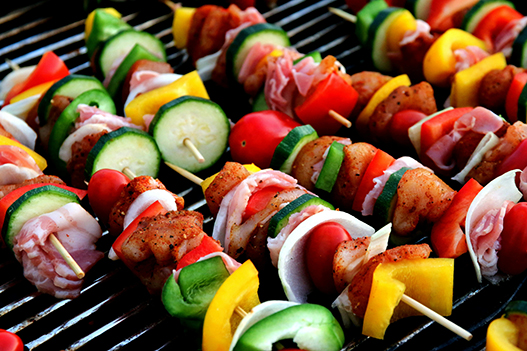
The grill is the summertime kitchen rockstar, so make sure you’re maximizing its full potential. One pro move is to use wood planks or cedar wraps to infuse your proteins like salmon, chicken or even Brie cheese with incredible smoky flavors. Just soak the planks in water for an hour before using.

For out-of-this-world smoky vegetables, grab a bundle of hardy herbs like rosemary or thyme and toss it onto the hot grill grates to smolder. Then quickly grill veggies like peppers, zucchini or eggplant over the herb flames. Finishing them with a drizzle of any one of our ultra premium extra virgin olive oils completes the magic.

Cooler Apps and Dip Delights

When it’s scorching outside, cool refreshing appetizers and dips are absolute lifesavers. For ultra creamy hummus or white bean dips, make them extra creamy by using UP olive oils to blend everything into a satiny smooth consistency. Be sure to change up the flavors of your hummus and dips by picking a new D’Olivo flavored olive oil each time.

Herbes De Provence Hummus

Creamy White Bean Dip Recipe

Another crowd dazzler is a colorful summer crudité platter with high impact dipping sauces. Get saucy by blending fruity ingredients like mangos, pineapple or berries with Greek yogurt, lime and a hint of honey for vibrant, healthy dippers bursting with flavor.

Fruit Desserts for the Win

With a kaleidoscope of sweet fruits in season, you’ve got a million delicious dessert possibilities. For next level cobblers or crisps, toss your fruit with a splash of fresh orange or lemon juice to make the flavors exponentially brighter and more dynamic.

When making chilled fruit soups or gazpachos, use an immersion blender to partially blend some of the fruit, leaving plenty of delectable chunks and texture throughout. Nothing’s sadder than a boring, homogenized puree.
Another pro move for fruit tarts and pies is heating a sugary jam glaze in the microwave until bubbling, then brushing it over the top for a bakery-level glistening finish primed for oohs and ahhs.

Apple Crisp Recipe

Bubbles Up

It would be unthinkable to talk summer cooking without mentioning the most refreshing summertime sipper: chilled bubbles! Next time you’re whipping up a batch of homemade lemonade or punchy sangria, toss in a splash of one of our delicious champagnes, sparkling wines, or cavas for some extra fun.

Spice Up Your Veggies

No list of summer cooking hacks would be complete without mentioning UP extra virgin olive oil – the healthy, flavorful workhorse you need in your corner. Use it to marinade, drizzle or simply add a masterful finish to all your sizzling proteins, vegetables and even fruits. Again, flavor variety is your friend here so try pairing our oils with our fun selection of balsamic vinegars.

Extra virgin olive oils are full of potential so be sure to tap into it by making herb and olive oil-based dips, dressings, pico de salsa and marinades. Or make it the star in baked goods like olive oil cakes, cookies and savory loaf breads. Truly, extra virgin olive oil is the signature ingredient that will put your summer cooking in the big leagues.

With these pro-level tips, you’re ready to seriously raise the bar on all your summer cooking adventures. Get sizzling, get blending, and never let the summer fun leave your kitchen!

Exploring the Health Benefits of Extra Virgin Olive Oil

In the realm of culinary oils, few hold as great a reputation as extra virgin olive oil (EVOO). Renowned for its rich flavor, versatility in cooking, and numerous health benefits, EVOO has long been a staple in Mediterranean cuisine and beyond. But is extra virgin olive oil truly good for you? Let’s delve into the science behind its health-promoting properties and why it’s considered a nutritional powerhouse.

What Sets Extra Virgin Olive Oil Apart?

Before delving into its health benefits, it’s essential to understand what distinguishes extra virgin olive oil from other types of olive oil. Extra virgin olive oil is extracted from olives using mechanical methods, without the use of heat or chemicals. This gentle extraction process preserves the oil’s natural flavors, aromas, and nutritional properties, making it the highest quality and most flavorful olive oil available on the market today.

Rich in Healthy Fats:

One of the primary reasons why extra virgin olive oil is considered good for you is its high content of monounsaturated fats, particularly oleic acid. Monounsaturated fats are known for their heart-healthy properties, as they can help reduce LDL cholesterol levels while increasing HDL cholesterol levels, thus improving overall cardiovascular health.

Abundant in Antioxidants:

Extra virgin olive oil is also rich in powerful antioxidants, such as phenols, tocopherols (vitamin E), and carotenoids. These antioxidants help protect the body from oxidative stress and inflammation, which are underlying factors in various chronic diseases, including heart disease, cancer, and neurodegenerative conditions.

Anti-Inflammatory Properties:

The phenolic compounds found in extra virgin olive oil exhibit potent anti-inflammatory properties, helping to reduce inflammation throughout the body. Chronic inflammation is linked to numerous health problems, including arthritis, diabetes, and autoimmune diseases. Consuming extra virgin olive oil as part of a balanced diet may help mitigate inflammation and promote overall health.

Heart Health Benefits:

Numerous studies have demonstrated the beneficial effects of extra virgin olive oil on heart health. Regular consumption of EVOO has been associated with a reduced risk of heart disease, stroke, and hypertension. The monounsaturated fats and antioxidants in olive oil help improve blood lipid profiles, and lower blood pressure.

Supports Brain Health:

The antioxidants and anti-inflammatory compounds in extra virgin olive oil may also benefit brain health and cognitive function. Research suggests that a Mediterranean-style diet rich in olive oil is associated with a lower risk of cognitive decline and neurodegenerative diseases such as Alzheimer’s disease.

Weight Management:

Contrary to common misconceptions, consuming moderate amounts of extra virgin olive oil may actually support weight management and healthy weight loss. The monounsaturated fats in olive oil help increase satiety and feelings of fullness, reducing the risk of overeating.

Additionally, the Mediterranean diet, which includes plenty of olive oil, has been linked to lower rates of obesity and metabolic syndrome.

How to Incorporate Extra Virgin Olive Oil Into Your Diet:

Now that we’ve explored the health benefits of extra virgin olive oil, you may be wondering how to incorporate it into your daily diet. Here are some simple ways to enjoy the nutritional goodness of EVOO:

Use it in Salad Dressings: Drizzle extra virgin olive oil over salads along with a splash of balsamic vinegar for a simple and delicious dressing.

Dip with Bread: Enjoy crusty bread dipped in high-quality EVOO seasoned with herbs and spices for a flavorful appetizer or snack.

Cook with it: Use extra virgin olive oil for sautéing vegetables, frying eggs, or grilling meats for added flavor and nutritional benefits.

Finish Dishes: Add a drizzle of extra virgin olive oil to finished dishes, such as soups, pasta, or grilled fish, to enhance flavors and textures.

Blend into Smoothies: Incorporate a tablespoon of extra virgin olive oil into fruit or vegetable smoothies for a creamy texture and added nutritional boost.

At D’Olivo we offer a variety of flavored and ultra-premium olive oils and balsamic vinegars that pair well together which means you can try a variety of combinations to find just the right burst of flavors for you. With the numerous combinations available you’ll never get bored of exploring and experimenting in your culinary adventures.

Extra virgin olive oil is indeed good for you, thanks to its abundance of healthy fats, antioxidants, and anti-inflammatory properties. Regular consumption of high-quality EVOO as part of a balanced diet has been linked to numerous health benefits, including improved heart health, brain function, and weight management. By incorporating extra virgin olive oil into your daily cooking and meal preparation, you can reap the nutritional rewards and savor the rich flavors of this delicious oil.

Exploring the Rising Popularity of Extra Virgin Olive Oil

In recent years, there has been a noticeable surge in the popularity of extra virgin olive oil (EVOO) across the globe. This once niche product has now become a staple in kitchens worldwide, revered for its health benefits, culinary versatility, and rich history. In this blog post, we’ll delve into the factors contributing to the rise of EVOO’s popularity and why it has earned its place as a beloved kitchen essential.

Health Conscious Consumers

One of the primary drivers behind the growing popularity of extra virgin olive oil is the increasing focus on health and wellness among consumers. Unlike refined oils, such as vegetable or seed oils, EVOO is rich in monounsaturated fats and antioxidants, which have been linked to numerous health benefits, including improved heart health, reduced inflammation, and lower risk of chronic diseases like cancer and diabetes. As people become more mindful of their dietary choices, they are turning to EVOO as a healthier alternative to other cooking oils.

Celebrity Endorsements and Media Attention

The endorsement of extra virgin olive oil by celebrities, chefs, and health experts has also played a significant role in its rising popularity. With the rise of cooking shows, food blogs, and social media influencers, extra virgin olive oil has been spotlighted as a key ingredient in healthy and delicious recipes. Additionally, celebrities and wellness gurus often tout the benefits of EVOO in their diets, further fueling its appeal among consumers seeking to emulate their lifestyles.

Culinary Renaissance and Food Culture

The culinary renaissance that has swept the world in recent years has also contributed to the increased demand for extra virgin olive oil. As people become more adventurous in their cooking and dining experiences, they are seeking out high-quality ingredients to elevate their dishes. EVOO’s complex flavor profile, ranging from fruity and grassy to peppery, adds depth and richness to both traditional and contemporary recipes, making it a favorite among home cooks and professional chefs alike.

Cultural Significance and Tradition

In regions like the Mediterranean, where olive trees have been cultivated for centuries, extra virgin olive oil holds a special place in the cultural and culinary heritage of the people. It’s not just a cooking oil but a symbol of tradition, family, and community. As interest in Mediterranean cuisine continues to grow, so does the demand for authentic extra virgin olive oil, sourced from the sun-kissed groves of Greece, Italy, Spain, and beyond.

Environmental and Ethical Considerations

Another factor driving the popularity of extra virgin olive oil is its perceived environmental and ethical benefits. Compared to other crops, olive trees are relatively resilient and require minimal water and pesticides to thrive. Additionally, many olive oil producers adhere to sustainable farming practices, preserving biodiversity and protecting the land for future generations. As consumers become more conscious of their environmental footprint, they are drawn to products like EVOO that align with their values.

The Rise of Artisanal and Premium Brands

With the growing demand for high-quality extra virgin olive oil, artisanal and premium brands have emerged to meet the needs of discerning consumers. These producers focus on small-batch production, traditional methods, and superior quality olives to create EVOO that stands apart from mass-produced varieties. By prioritizing flavor, freshness, and transparency, these brands have garnered a loyal following of connoisseurs who are willing to pay a premium for the finest olive oil.

At D’Olivo, we pride ourselves on providing only the highest quality oils for customers. We source every oil from Veronica Foods who ensures that each oil meets over 54 parameters to be designated as ultra-premium and retailed to customers. In addition, we ensure all proper storage methods and bottling techniques to ensure freshness and quality.

In conclusion, the rise in popularity of extra virgin olive oil can be attributed to a combination of factors, including its health benefits, culinary versatility, cultural significance, and environmental considerations. As consumers continue to prioritize quality and authenticity in their food choices, EVOO’s golden era shows no signs of slowing down. Whether drizzled over salads, used in cooking, or savored on its own, extra virgin olive oil remains an indispensable ingredient in kitchens around the world.

Debunking Common Myths and Unveiling Facts About Extra Virgin Olive Oil

Extra virgin olive oil (EVOO) is not just a staple in Mediterranean cuisine but also revered worldwide for its health benefits and culinary versatility. However, amidst its growing popularity, several myths and misconceptions have been circulated about this tasty cooking oil. In this article, we’ll debunk the top 10 myths surrounding extra virgin olive oil and shed light on the facts behind this one of our most beloved kitchen essentials.

Myth 1: All Olive Oils Are the Same

Fact: Not all olive oils are created equal. Extra virgin olive oil, obtained from the first cold pressing of olives, undergoes minimal processing and as a result retains the highest levels of antioxidants and nutrients. This ensures that all of the health benefits of the olives themselves are retained in the oil product. At D’Olivo our extra virgin olive oils in particular must meet over 54 parameters to earn their Ultra Premium designation. Ensuring our customers are always getting the best quality available.

On the other hand, refined olive oil undergoes additional processing and lacks the same health benefits and flavor complexity as extra virgin olive oil.

Myth 2: Extra Virgin Olive Oil Shouldn’t Be Used for Cooking at High Temperatures

Fact: Contrary to popular belief, extra virgin olive oil has a higher smoke point than many other cooking oils, typically around 375°F to 410°F (190°C to 210°C). Of course, it’s important in doing this that you’re using the highest quality extra virgin olive oil you can. If you do this, you’re your oil can be good for grilling, sautéing, roasting, and baking.

Myth 3: Extra Virgin Olive Oil Turns Rancid Quickly

Fact: Extra virgin olive oil is actually quite stable and can maintain its quality for up to two years if stored properly in a cool, dark place away from heat and light. However, exposure to air, light, and heat can accelerate oxidation, leading to rancidity. To prolong its shelf life, always seal the bottle tightly and avoid storing it near the stove or oven.

Myth 4: Extra Virgin Olive Oil Should Have a Bitter Taste

Fact: While some high-quality extra virgin olive oils may exhibit bitterness, it’s not a definitive indicator of quality. In fact, a fresh, high quality oil should have a clean, green taste, almost like the smell of fresh cut grass. Of course, the specific taste of extra virgin olive oil can vary widely depending on factors such as olive variety, ripeness at harvest, and production techniques. A well-balanced extra virgin olive oil should have a harmonious blend of fruity, bitter, and pungent flavors.

Myth 5: Extra Virgin Olive Oil Loses Its Health Benefits When Heated

Fact: While heating can alter the flavor profile of extra virgin olive oil, it doesn’t significantly diminish its health benefits. The antioxidants and monounsaturated fats in extra virgin olive oil remain intact even when exposed to heat, making it a healthier choice for cooking compared to many other oils.

Myth 6: Extra Virgin Olive Oil Isn’t Good for Skin

Fact: Extra virgin olive oil has been used for centuries as a natural skincare remedy due to its moisturizing and antioxidant properties. It’s rich in vitamins E and K, which help nourish and protect the skin, making it an excellent choice for moisturizing dry patches, soothing irritation, and even removing makeup.

Myth 7: Extra Virgin Olive Oil Causes Weight Gain

Fact: Despite being calorie-dense, studies have shown that incorporating moderate amounts of extra virgin olive oil into a balanced diet may actually aid in weight management. Its high monounsaturated fat content can help increase satiety and reduce appetite, leading to better weight control when consumed as part of a healthy diet.

Myth 8: Extra Virgin Olive Oil Isn’t Versatile

Fact: Extra virgin olive oil is incredibly versatile and can be used for much more than just drizzling over salads or dipping bread. It adds depth of flavor to marinades, sauces, and dressings, and can even be used in baking to impart moisture and richness to baked goods. We love exploring recipes and finding new ways to use this healthy and delicious oil. For help getting started or to find new recipes, check out our recipe section here – https://dolivotastingbar.com/recipe/

Olive Oil Frequently Asked Questions

What is Extra Virgin Olive Oil?

Extra virgin olive oil (EVOO) is a type of edible oil derived from the pressing of olives, the fruit of the olive tree (Olea europaea). Renowned for its exceptional quality and health benefits, EVOO is widely regarded as one of the healthiest oils available.

What distinguishes extra virgin olive oil from other types of olive oil is its method of extraction and its chemical composition. EVOO is extracted solely by mechanical means, such as pressing or centrifugation, without the use of heat or chemicals. This gentle extraction process preserves the oil’s natural flavors, aromas, and nutritional qualities, making it the highest grade of olive oil available.

The term “extra virgin” refers to the oil meeting specific quality criteria established by international standards organizations, such as the acidity level (expressed as free fatty acid content) and sensory attributes like taste and aroma. To qualify as extra virgin, the oil must have an acidity level of less than 0.8%, exhibit superior taste characteristics, and be free from defects. At D’Olivo our Ultra-Premium oils must meet over 54 parameters to qualify, which ensures our customers get only the highest quality olive oil available.

How is Extra Virgin Olive Oil Made?

Extra virgin olive oil is made through a meticulous process that begins with harvesting ripe olives from olive trees. Once harvested, the olives are cleaned to remove any debris or leaves. Next, they undergo pressing or centrifugation to extract the oil from the fruit. Importantly, this extraction process must be done solely by mechanical means, without the use of heat or chemicals, to qualify as extra virgin olive oil. The resulting oil is then filtered to remove any remaining solids or impurities. Finally, the oil is stored in stainless steel containers or dark glass bottles to protect it from light and air, which can degrade its quality. This careful process preserves the oil’s natural flavors, aromas, and nutritional properties, resulting in the high-quality product known as extra virgin olive oil.

What Are the Health Benefits of Extra Virgin Olive Oil?

Extra virgin olive oil (EVOO) offers a plethora of health benefits due to its rich nutritional profile. High in monounsaturated fats and antioxidants like polyphenols and vitamin E, EVOO is renowned for promoting heart health by reducing LDL cholesterol levels and lowering blood pressure. Its anti-inflammatory properties help combat chronic inflammation, potentially reducing the risk of conditions such as cardiovascular disease, arthritis, and certain cancers. EVOO also supports brain health, as its antioxidants may protect against cognitive decline and improve memory function. Additionally, its high smoke point makes it suitable for cooking at high temperatures without compromising its nutritional integrity. Incorporating extra virgin olive oil into the diet as a replacement for saturated fats can contribute to overall well-being and longevity, making it a cornerstone of the Mediterranean diet and a staple in healthy eating worldwide.

What is the Difference Between Extra Virgin Olive Oil and Regular Olive Oil?

The main difference between extra virgin olive oil (EVOO) and regular olive oil lies in their quality, flavor, and production methods. EVOO is the highest grade of olive oil, extracted solely by mechanical means, without heat or chemicals. It undergoes stringent testing to ensure it meets specific quality standards, including low acidity levels and superior taste characteristics. EVOO retains the natural flavors, aromas, and nutrients of the olives, making it rich in antioxidants and beneficial fatty acids. In contrast, regular olive oil, often labeled as “pure” or “light,” undergoes a refining process, which involves heat and/or chemical solvents to extract the oil. This process removes impurities but also strips away some of the oil’s flavor and nutrients. Regular olive oil typically has a milder taste and lower nutritional value compared to extra virgin olive oil.

How Should You Store Extra Virgin Olive Oil?

To maintain the quality and freshness of extra virgin olive oil, proper storage is a must. We recommend that you store your oil in a cool, dark place away from direct light and heat sources, such as sunlight, stovetops, or ovens, which can cause oxidation and deterioration of the oil’s flavor and nutritional content. Choose opaque or dark glass bottles to shield the oil from light exposure, as clear containers can accelerate spoilage. Additionally, tightly seal the bottle after each use to minimize air exposure and oxidation. Once opened, be sure to use up your oil in a timely manner to avoid the chance it goes rancid. If it’s been awhile since your last usage, be sure to taste your oil before using it to ensure it’s still fresh.

How Can I Use Olive Oil?

The beauty of olive oil is that it is extremely versatile and can be used in a number of ways and dishes to enhance the overall flavor profile. Use olive oil as a dressing or drizzle over salads, vegetables, or cooked dishes for a burst of richness. It serves as an excellent base for marinades, infusing meats, poultry, or seafood with flavor before grilling, roasting, or sautéing.

Olive oil can also be used as a healthier alternative to butter or margarine in baking recipes, adding moisture and richness to cakes, cookies, and bread. When cooking, use olive oil to sauté or stir-fry vegetables, meats, or grains, adding depth and complexity to your dishes.

Additionally, olive oil can be used for frying at moderate temperatures due to its high smoke point. Whether used as a finishing touch or a cooking staple, olive oil elevates the taste and nutritional value of a wide range of foods.

Ideas for Substituting Olive Oil for Other Fats

When it comes to cooking and baking, fats play a pivotal role in creating texture, flavor, and mouthfeel in your dishes. While fats like butter, lard, and vegetable oil have been traditional choices, many are turning to olive oil as a healthier and more flavorful alternative. In this blog post, we’ll explore the various fats you can substitute with olive oil, and how this versatile ingredient can enhance your culinary endeavors.

1. Butter: A Creamy Alternative

Butter is a beloved fat in cooking and baking, known for its rich, creamy flavor. However, if you’re looking to reduce saturated fat intake or create a dairy-free option, extra-virgin olive oil is an excellent substitute. To replace butter with olive oil, use a 3/4 cup of olive oil for every cup of butter in your recipe. Olive oil works particularly well in recipes like sautéed vegetables, roasted potatoes, and even baked goods.

2. Vegetable Oil: A Healthier Choice

Many recipes call for vegetable oil, but it’s often a blend of various oils, and the quality can vary. Extra-virgin olive oil, on the other hand, is a single-source, high-quality fat that brings a world of flavor to your dishes from fruity to more peppery, you’ll get a variety depending on the specific oil you choose. To substitute for vegetable oil, use an equal amount of olive oil. Whether you are frying, grilling, or making salad dressings, olive oil’s versatility shines through.

3. Lard: A Lighter Option

Lard is a popular choice in traditional cooking, especially for making flaky pie crusts and crispy fried foods. While olive oil may not replicate the exact flavor of lard, it offers a heart-healthy alternative. To substitute lard with olive oil, use a 1:1 ratio. The result will be a lighter, less greasy texture, perfect for creating delicious, healthier versions of your favorite recipes.

4. Margarine: A Trans-Fat-Free Choice

Margarine has been a common butter substitute due to its low saturated fat content. However, it often contains trans fats, which are less healthy. If you’re looking for a trans-fat-free alternative, extra-virgin olive oil is a great choice. You can use an equal amount of olive oil to replace margarine in recipes, whether you’re spreading it on toast or using it in baking.

5. Coconut Oil: A Plant-Based Option

Coconut oil is lauded for its unique flavor and versatility, particularly in vegan and gluten-free cooking. Extra-virgin olive oil offers an equally plant-based alternative with a distinct flavor profile. To replace coconut oil with olive oil, use a 1:1 ratio, but keep in mind that olive oil has a different flavor, so the resulting dish will have a different but equally fun twist.

6. Canola Oil: A Neutral Oil Alternative

Canola oil is known for its neutral taste, making it suitable for various recipes. If you’re seeking a healthier and more flavorful alternative, olive oil is a fantastic choice. You can substitute canola oil with an equal amount of olive oil in most recipes, enhancing the dish with a hint of fruitiness and complexity.

7. Shortening: A Healthier Alternative

Shortening is commonly used in baking and frying for its solid texture at room temperature. If you’re looking to reduce saturated fat, substitute shortening with olive oil using a 3/4 cup of olive oil for every cup of shortening in your recipe. Olive oil provides a heart-healthy option without sacrificing texture in your baked goods.

8. Ghee: A Clarified Butter Alternative

Ghee, or clarified butter, is popular in Indian and Middle Eastern cuisine. Olive oil can be a suitable alternative when you’re looking for a dairy-free option or a healthier alternative. To substitute ghee with olive oil, use a 1:1 ratio. Olive oil adds a slightly different flavor profile, but it complements these cuisines beautifully.

Elevating Your Cooking with Olive Oil

Olive oil isn’t just a heart-healthy and versatile option; it’s a culinary superstar that can transform your dishes with its unique flavor and health benefits. Whether you’re sautéing, baking, or frying, the right substitution can elevate your cooking to new heights. Experiment with different types of extra-virgin olive oil, and don’t forget the infused varieties. Both will add depth and complexity to your recipes.

By understanding how to substitute olive oil for other fats, you can make your cooking healthier, more flavorful, and more diverse. Whether you’re aiming to reduce saturated fat intake, create dairy-free options, or you’re simply trying to experiment with new flavors, olive oil offers an excellent alternative. Enjoy your culinary adventures with the versatility and heart-healthy benefits of olive oil.

Breaking Down Olive Oil : A Guide to Olive Oil Grades and Types

When it comes to olive oil, the choices can be overwhelming. Walk into a grocery store, and you’ll encounter a vast array of options, each claiming to be the best. To make an informed choice, it’s essential to understand the different grades and types of olive oil. In this blog post, we’ll delve into the fascinating world of olive oil grades and types, helping you understand labels and helping you choose the right one for your culinary adventures.

Extra-Virgin Olive Oil: The Gold Standard

Extra-virgin olive oil is the highest grade and most sought-after type of olive oil. It is known for its exceptional quality and flavor. To be classified as extra-virgin, the oil must meet specific criteria:

Cold Pressed: Extra-virgin olive oil is extracted without the use of heat or chemicals, preserving its natural flavors and aromas.

Low Acidity: It must have an acidity level below 0.8%, indicating the oil is made from high-quality, fresh olives.

Flavorful: Extra-virgin olive oil should have a well-balanced flavor profile, with fruity, slightly peppery, and often grassy or nutty notes.

At D’Olivo we source all our oils from Veronica Foods, who requires their oils meet an even more strict standard (there are over 54 parameters), earning all of our oils the designation of Ultra Premium extra virgin olive oil.

Purchasing a high-quality extra virgin olive oil is essential to making sure you can use your oil in any culinary adventure you might embark upon. High quality extra virgin olive oil has an extremely high smoke point making it great for cooking dishes, frying dishes, but it is also perfect for marinades, drizzling over salads or roasted vegetables, dipping bread, baking and more.

In addition, extra virgin olive oils, because of the method of production used, maintain all of the health benefits of the olives themselves. Check out these amazing benefits here https://dolivotastingbar.com/5-proven-health-benefits-olive-oil/

Virgin Olive Oil

Virgin olive oil is similar to extra-virgin but with slightly higher acidity levels, up to 2%. While it does not meet all the strict criteria of extra-virgin, it can offer excellent quality and flavor, making it a suitable choice for those looking for a less expensive option or for cooks who aren’t interested in all of the health benefits provided by the extra virgin standard.

Olive Oil

Often labeled as “pure” or “light” olive oil, this grade is a blend of refined and virgin olive oils. It has a milder flavor and lighter color compared to extra-virgin and virgin olive oils. The refining process removes impurities and flavors, resulting in a more neutral taste.

Refined Olive Oil

Refined olive oil is obtained from low-quality olives or olives that have defects. It undergoes a refining process to remove impurities and undesirable flavors. While it lacks the distinctive taste of extra-virgin olive oil, refined olive oil is commonly used in the food industry and can also be found in some household kitchens. Its main role is to provide a neutral base for other culinary creations.

Flavored and Infused Olive Oils

Flavored and infused olive oils can add an extra dimension to your kitchen creations. These are olive oils fused or infused with various ingredients like herbs, spices, citrus, or even chili peppers. They are perfect for drizzling over salads, marinating meats, or adding a burst of flavor to your dishes. At D’Olivo all of our flavored olive oils begin with an ultra-premium extra virgin olive oil base and we’re proud to offer over 28 varieties! Experiment with different flavors to find the perfect fit for each new dish.

Regional Varieties: A World of Taste

The world of olive oil extends far beyond just grades and types. Olive oil enthusiasts often explore the different regional varieties. Olive oil’s flavor, aroma, and quality are significantly influenced by the specific region where the olives are grown and the unique environmental conditions present there. Regions like Tuscany in Italy, Andalusia in Spain, and Chile in South America are known for producing distinct and exceptional olive oils.

Conclusion: Choose Your Olive Oil Wisely

Understanding the grades and types of olive oil empowers you to select the right oil for your culinary needs and or your overall health. Whether you’re looking to create a delicate vinaigrette, sear a juicy steak, or add a burst of flavor to your dishes, there’s an olive oil for every occasion.

Our recommendation is always to select the highest quality, most pure form to ensure you’re getting all the wonderful health benefits as well as the delicious flavor of extra virgin olive oil.

The Art and Science of Extra Virgin Olive Oil Production

Olive oil, often referred to as “liquid gold,” has been a symbol of prosperity and health for centuries. Its rich history and versatile uses make it a beloved culinary treasure worldwide. But have you ever wondered how this precious oil is made? In this comprehensive guide, we will take you on a journey through the intricate process of olive oil production.

The Olive Orchard: A Prerequisite for Quality

The journey of each olive oil begins in the olive orchard, where the choice of olive variety, climate, soil, and farming practices play a pivotal role in determining the oil’s quality and flavor. Here are some key factors that contribute to an exceptional olive orchard:

Olive Varieties

There are hundreds of olive varieties worldwide, each with its unique flavor profile and characteristics. Common varieties include Arbequina, Picual, Koroneiki, and Frantoio. The choice of olive variety often depends on the region’s climate and the intended flavor of the oil.

Climate and Terroir

Olive trees thrive in regions with mild, Mediterranean climates characterized by warm, dry summers and mild winters. The concept of terroir, which includes factors like soil composition and microclimate, can significantly influence the flavor and aroma of the resulting olive oil.

Soil Quality

Olive trees require well-draining soil, preferably with a pH level between 5.5 and 7.5. The mineral content of the soil can affect the nutritional value and flavor of the olives.

Harvesting: Timing Is Everything

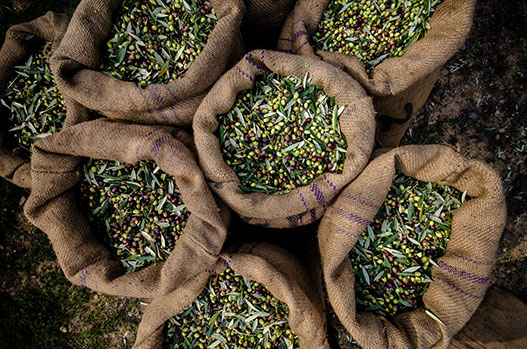
The next crucial step in olive oil production is the harvest, which requires precise timing to ensure the olives are at their peak flavor and nutritional content. Harvesting methods include hand-picking and mechanical shaking.

Hand-Picking

Hand-picking is the traditional and labor-intensive method. It’s often preferred for premium oils as it allows for selective harvesting of ripe olives, minimizing damage to the fruit.

Mechanical Shaking

Mechanical shakers are used to dislodge olives from the trees, and nets are placed beneath to collect the falling fruit. While this method is more efficient, it’s not as precise as hand-picking and can result in a mix of both ripe and unripe olives.

Harvest Timing

Timing is critical. Olives harvested too early may produce a bitter oil, while overripe olives can result in a rancid taste. Producers often monitor the olives’ color changes to determine the optimal harvest time.

Milling: The Art of Olive Oil Extraction

Once the olives are harvested, they are taken to the mill for oil extraction. The milling process involves several steps:

Cleaning

The olives are first cleaned to remove leaves, twigs, and dirt.

Crushing

The cleaned olives are then crushed into a paste (often called olive pomice), often using large stone or metal rollers. This process breaks down the cell walls and releases the oil. In order to be considered extra virgin olive oil, the crushing must be done without the use of heat or chemicals.

Malaxation

The olive paste is mixed in a malaxer, a machine that kneads the paste to encourage the oil droplets to merge and form larger ones. This process enhances oil extraction efficiency.

Pressing vs. Centrifugation

Traditionally, olives were pressed to extract oil. However, modern methods often use centrifugation, which separates the oil and water from the paste more efficiently. Centrifugation produces a cleaner, higher-quality oil.

Separating Oil from Water

After milling, the olive paste contains a mixture of oil, water, and solid residues. To obtain the pure olive oil, these components must be separated. This is typically done in a decanter centrifuge or a press.

Decanter Centrifuge

In a decanter centrifuge, the paste is spun at high speeds, separating the components based on their density. The oil, being the least dense, rises to the top, while the water and solids settle at the bottom.

Pressing

Pressing involves applying pressure to the paste, squeezing out the oil. This method is less efficient than centrifugation and is often reserved for traditional or small-scale production.

Clarification and Filtration

Even after separation, the olive oil may contain small water and solid particles. To ensure clarity and quality, the oil is often clarified and filtered through various methods, such as gravity settling, sedimentation tanks, or diatomaceous earth filters.

Extra Virgin Olive Oil: The Gold Standard

Not all olive oils are created equal, and the term “extra virgin” signifies the highest quality. Extra virgin olive oil is obtained through cold pressing, which means no heat or chemicals are used in the extraction process. It also undergoes rigorous testing for acidity, flavor, and aroma.

At D’Olivo, we take the quality of our olive oils beyond even the standard extra virgin label. Our oils meet 33 quality parameters, and as a result earn the designation of Ultra Premium.

Acidity Level

To be classified as extra virgin, olive oil must have an acidity level of less than 0.8%. Lower acidity levels indicate a superior oil.

Flavor and Aroma

Extra virgin olive oil should have a balanced, fruity flavor with no defects. The aroma should be fresh and characteristic of the olive variety used. Often people describe the flavor and aroma as matching that of fresh cut grass.

Storing and Bottling

Olive oil is extremely sensitive to light, heat, and oxygen, which can cause it to deteriorate and lose its quality. To preserve its freshness, olive oil should be stored and bottled with care.

Storage Conditions

Store olive oil in a cool, dark place, away from direct sunlight and heat sources. Containers should be airtight to prevent exposure to oxygen. Our oils are stored in stainless steel fusti before bottling.

Bottling

Olive oil is typically bottled in dark glass bottles or tins to shield it from light. Avoid clear or plastic containers that can lead to rapid degradation.

Conclusion

The journey of olive oil from orchard to bottle is truly a magnificent blend of tradition and technology. It begins with careful cultivation in well managed orchards, extends through the precise timing of harvest, and culminates in the delicate art of milling and extraction. The result is a healthy and flavorful oil that is ready to be featured in your culinary adventures.
Whether drizzled over a fresh salad, used in cooking, or savored on its own, olive oil stands as a testament to the skill, dedication, and passion of those who labor to bring it to our tables.

Shop our selection of olive oils herehttps://dolivotastingbar.com/product-category/dolivo-flavored-olive-oils/

Find recipes herehttps://dolivotastingbar.com/recipe/