• Instagram
  • Facebook
  • Twitter

Walla, Walla, WA | 509-529-7537

How to Properly Season and Care for Your Le Creuset (or Cast Iron)

There’s something deeply satisfying about cooking in cast iron – that perfect sear on a steak, the even heat distribution for cornbread, the way these pieces seem to improve with age rather than wear out. Whether you’ve invested in the iconic enameled cast iron from Le Creuset or traditional bare cast iron skillets, understanding proper care ensures these kitchen workhorses will serve you (and possibly your grandchildren) for decades to come.

The good news? Despite their reputation for being high-maintenance, both enameled and traditional cast iron are remarkably forgiving once you understand a few key principles.

Understanding the Difference: Enameled vs. Bare Cast Iron

Before we dive into care instructions, it’s important to understand what you’re working with. Le Creuset and similar brands feature cast iron coated with a glass-based enamel, which means they don’t require the seasoning process that bare cast iron does. The enamel creates a non-reactive, naturally non-stick surface that won’t rust or impart metallic flavors to acidic foods like tomato sauce.

Traditional bare cast iron – your grandmother’s skillet or modern Lodge pieces – relies on seasoning (polymerized oil) to create its non-stick surface and prevent rust. Both types have their place in a well-equipped kitchen, and both require specific care to perform their best.

Caring for Enameled Cast Iron (Le Creuset, Staub, etc.)

First Use: When your beautiful Le Creuset Dutch oven arrives, wash it with warm soapy water, dry thoroughly, and you’re ready to cook. No seasoning required – the enamel surface is ready to go.

Daily Cleaning: Despite what you might have heard, you can absolutely use soap on enameled cast iron. In fact, you should. Wash with warm water and dish soap using a soft sponge or brush. For stuck-on food, let the piece soak with warm soapy water for 15-30 minutes, then use a nylon scrubber or Le Creuset’s own cleaning tool to gently remove residue.

Tackling Stains: That beautiful cream-colored interior will develop some staining over time – it’s normal and doesn’t affect performance. For stubborn stains, make a paste with baking soda and water, apply it to the stained areas, and let it sit for several hours or overnight. Gentle scrubbing should lift most discoloration. For really stubborn stains, a diluted bleach solution (one tablespoon bleach per pint of water) can be used occasionally.

Heat Management: While cast iron handles high heat beautifully, enameled pieces benefit from a more moderate approach. Use low to medium heat for most cooking – the excellent heat retention means you don’t need blasting temperatures. Always add fat or liquid to the pan before heating, and never heat an empty enameled pot.

Storage Tips: Stack carefully using pan protectors or kitchen towels between pieces to prevent the enamel from chipping. Store with lids slightly ajar to allow air circulation and prevent moisture buildup that can lead to musty odors.

Caring for Traditional Bare Cast Iron

Seasoning Your Pan: New cast iron often comes pre-seasoned, but building up additional layers improves performance. After washing and thoroughly drying your pan, apply a thin layer of vegetable oil, flaxseed oil, or shortening to the entire surface – inside, outside, and handle. Wipe away excess until the pan looks almost dry. Place it upside down in a 450°F oven for one hour, then let it cool completely. Repeat this process 3-4 times for new pans.

Daily Cleaning: The “never use soap” rule is actually a myth from when soaps contained lye that would strip seasoning. Modern dish soap is fine for regular cleaning. Wash your pan with hot water and a small amount of soap if needed, using a brush or non-abrasive scrubber. The key is immediate and thorough drying – water is cast iron’s enemy.

Maintenance Seasoning: After each use and cleaning, place the pan on the stove over low heat to evaporate any remaining moisture. While still warm, rub a very thin layer of oil over the entire surface. This ongoing maintenance builds that coveted non-stick patina over time.

Rescuing Rusty Cast Iron: Don’t panic if you discover rust. Scrub it away with steel wool, wash thoroughly, dry completely, and re-season following the process above. It’s nearly impossible to permanently ruin cast iron.

Universal Cast Iron Rules

Regardless of type, never subject cast iron to thermal shock – don’t run cold water over a hot pan or place a hot pan on a cold surface. The dramatic temperature change can cause cracking.

Avoid using metal utensils on enameled cast iron (they can chip the enamel), but they’re fine on bare cast iron. Wooden and silicone utensils work well for both.

Never put any cast iron in the dishwasher. The harsh detergents and prolonged water exposure will damage both enamel and seasoning.

The Reward for Proper Care

With proper maintenance, cast iron cookware genuinely improves with age. That Le Creuset Dutch oven will develop a beautiful patina and even better cooking performance. Your bare cast iron skillet will become increasingly non-stick and develop flavor complexity that no modern pan can replicate.

These pieces aren’t just cookware – they’re investments in better cooking and potential family heirlooms. A little care ensures they’ll be searing steaks and simmering stews for generations to come.
5 Fall Recipes That Showcase Premium Balsamic Vinegar

When autumn arrives with its bounty of hearty vegetables, rich proteins, and warming spices, there’s one ingredient that deserves a starring role in your seasonal cooking: premium balsamic vinegar. Far beyond its reputation as simply a salad dressing component, aged balsamic vinegar is a transformative ingredient that can elevate fall dishes from ordinary to extraordinary.

The key difference between standard balsamic and premium varieties lies in the aging process and ingredient quality. True aged balsamic vinegar from Modena develops complex notes of fig, cherry, and even chocolate over years of careful maturation. This depth makes it perfect for fall’s robust flavors – it can stand up to roasted meats, complement sweet root vegetables, and add unexpected sophistication to desserts.

1. Balsamic-Glazed Roasted Brussels Sprouts with Pecans

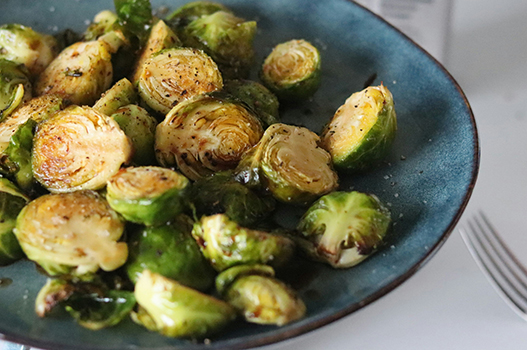
Brussels sprouts reach their peak in fall, and a balsamic glaze transforms these sometimes-maligned vegetables into a dish people actually fight over. Halve your sprouts, toss them with olive oil and sea salt, then roast at 425°F until crispy and caramelized. In the final five minutes, drizzle with aged balsamic and return to the oven. The vinegar reduces into a glossy coating that balances the sprouts’ slight bitterness with sweet-tart complexity. Finish with toasted pecans and a final drizzle of your best balsamic. This side dish works equally well for Tuesday dinner or Thanksgiving.

2. Pork Tenderloin with Fig Balsamic Reduction

Pork tenderloin is an underappreciated weeknight hero, and a fig-infused balsamic reduction makes it dinner party-worthy. Season your tenderloin simply with salt, pepper, and fresh rosemary, then sear it in a hot pan before finishing in the oven. While the meat rests, deglaze the pan with a splash of red wine, add fig balsamic vinegar and a touch of butter, and reduce until syrupy. The resulting sauce captures everything we love about fall – it’s rich without being heavy, sophisticated but not fussy, and the fig notes echo the season’s fruit-forward character. Serve over creamy polenta or alongside roasted root vegetables.

3. Butternut Squash Soup with Balsamic Drizzle

A velvety butternut squash soup is fall comfort in a bowl, but that final drizzle of aged balsamic is what makes guests ask for the recipe. Roast your squash with olive oil until caramelized, then blend with sautéed onions, vegetable stock, and a touch of cream. The soup itself should be relatively simple – letting the squash shine. But that finishing touch of premium balsamic creates visual drama and adds a bright, complex note that cuts through the richness. The contrast between the soup’s sweetness and the vinegar’s tangy depth creates the kind of balanced flavor that makes you reach for a second bowl.

4. Apple and Aged Cheddar Crostini

When you need an elegant appetizer that celebrates fall’s apple harvest, these crostini deliver impressive results with minimal effort. Slice a baguette, brush with olive oil, and toast until golden. Top with thin slices of sharp aged cheddar and crisp apple (Honeycrisp or Pink Lady work beautifully). The magic happens when you drizzle premium balsamic over the top and add a sprinkle of fresh thyme. The vinegar’s sweetness complements the apple while its acidity cuts through the cheese’s richness. It’s the kind of appetizer that disappears the moment you set it down – plan to make extra.

5. Vanilla Ice Cream with Balsamic-Macerated Strawberries

While strawberries might seem like a spring ingredient, this dessert works beautifully with the last of the season’s berries or even with pears as a fall alternative. The concept is simple but revelation-inducing: toss sliced fruit with a tablespoon of aged balsamic and a touch of sugar, let it macerate for thirty minutes, then spoon over quality vanilla ice cream. The balsamic draws out the fruit’s juices while adding layers of complexity that make this humble dessert taste like something from a high-end restaurant. For a fall twist, try this with roasted pears and a sprinkle of cinnamon.

The Bottom Line

Premium balsamic vinegar isn’t just an ingredient – it’s a finishing touch that can transform good cooking into memorable meals. This fall, experiment with using it beyond the salad bowl. Whether you’re drizzling it over roasted vegetables, reducing it into a pan sauce, or surprising guests with a balsamic dessert, you’ll discover why this aged ingredient has been treasured in Italian kitchens for centuries.

How to Tell If Your Olive Oil Is Actually Extra Virgin

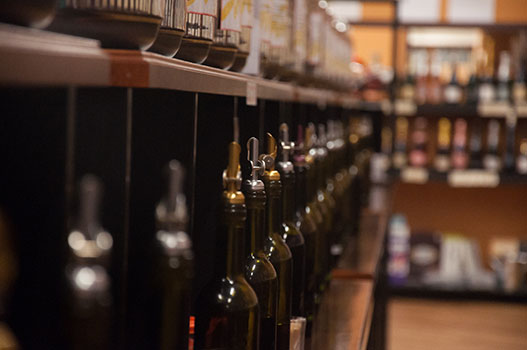
A row of dark glass olive oil bottles displayed at a specialty store, with open samples available for customers to smell and taste, demonstrating proper light-protective packaging and the retailer's transparency in allowing quality evaluation before purchase.

Walk down any grocery store aisle, and you’ll see dozens of bottles labeled “extra virgin olive oil.” It sounds premium, healthy, and authentic. But here’s the thing: not every bottle that claims the title lives up to it.

In fact, the olive oil industry has long struggled with mislabeling and inconsistency. What you think is extra virgin may actually be refined, old, or blended with lower-grade oils. So how can you, as a home cook or food lover, tell the difference?

Let’s unpack what “extra virgin” really means, and how to spot the real thing.

What Does “Extra Virgin” Actually Mean?

The term “extra virgin” refers to the highest standard of olive oil production. To qualify, an olive oil must be made from fresh olives, cold-pressed without the use of chemicals or heat, and meet strict requirements for taste, aroma, and acidity.
Chemically, a true extra virgin olive oil must have a free acidity level of less than 0.8%. It also must pass a sensory evaluation: no musty, rancid, or fusty smells. It should taste fresh, often a little peppery or grassy, with fruity or herbal notes. Unfortunately, the label isn’t always backed by the process.

The Problem with Mass-Market Olive Oils

In large commercial production, it’s not uncommon for olive oils to be blended, stored too long before bottling, or even cut with other oils like soybean or canola. Some are heat-processed or deodorized to mask poor quality, yet still carry the “extra virgin” label.

The result? A bland, lifeless product that offers none of the flavor or nutritional benefits you were expecting.
That’s why learning to spot the signs of real extra virgin olive oil is so important. When you know what to look for, your food and your health benefit from the difference.

Signs That Your Olive Oil Is The Real Deal

Sign #1: The Harvest Date Matters

A real extra virgin olive oil will often list the harvest date on the bottle. Not the best-by date, the actual harvest. That’s because freshness is critical. Olive oil is not like wine; it doesn’t get better with age.
You want oil that was harvested within the last 12 to 18 months. If there’s no harvest date at all, that’s a red flag. Freshness means flavor, antioxidants, and authenticity.

Sign #2: The Packaging Tells a Story

High-quality olive oil comes in dark glass bottles or opaque tins, not clear plastic. That’s because light and air are enemies of fresh oil. If the packaging looks like an afterthought, the oil inside likely is too.
D’Olivo, for instance, bottles in dark containers and stores products properly, protecting their flavor integrity from start to finish. The moment you open one, you can smell the difference.

Sign #3: Taste and Smell Are Your Best Clues

Good olive oil engages your senses. When you open the bottle, there should be a grassy, fruity, or herbaceous aroma, not flat or greasy. On the tongue, a little bitterness or peppery burn at the back of the throat is a good thing. It’s a sign of high polyphenol content and freshness.

If your oil smells like nothing, or tastes greasy and dull, it’s likely not real extra virgin, even if the label says it is.

Sign #4: Where It Comes From Matters

Look for bottles that state the origin clearly. Is the oil from a single estate or country? Or is it a vague “product of multiple countries” blend? Traceable origins usually signal better quality and transparency.

Producers that take pride in their oil will tell you where it came from, how it was harvested, and when it was bottled.

Sign #5: Price Reflects Quality

While not always a hard rule, extremely cheap olive oil is almost never extra virgin. Producing true EVOO takes care, labor, and speed, olives are pressed within hours of harvesting to avoid oxidation.

So if a bottle is shockingly inexpensive, ask yourself: where did corners get cut?

At D’Olivo, we source our oils directly from Veronica Foods who ensures all their olive oils meet the most rigorous of standards. In order for our oils to hit the shelves they must meet 33 quality parameters to earn the Ultra Premium designation.

Why It Matters

You might wonder why all of this matters. After all, isn’t olive oil just olive oil?

Not quite. True extra virgin olive oil isn’t just about taste, though it does taste far superior. It’s also about nutrition. Some studies show that high-quality extra virgin olive oil contains antioxidants and compounds linked to reduced inflammation and heart health.

But only if it’s the real thing. Once oil is oxidized, heat-treated, or cut with fillers, those benefits fade fast.

How to Upgrade Your Kitchen

The good news? Once you’ve had real EVOO, it’s hard to go back.

You start noticing how much more alive your food tastes. A salad becomes more vibrant. A slice of bread becomes a treat. Simple pasta dishes suddenly feel layered and restaurant-worthy, and it all starts with understanding what’s in your bottle.

So the next time you shop, don’t just read the label. Smell it. Taste it. Look for signs of care and clarity. Choose oils that tell you their story, not just their price.

At D’Olivo, that’s exactly what we promise in every bottle, real extra virgin olive oil.

Celebration Cocktails: Incorporating Champagne and Bubbles into Your Mixology

There’s something magical about bubbles that instantly elevates any gathering from ordinary to extraordinary. While champagne and sparkling wines are traditionally reserved for toasts and special occasions, incorporating these effervescent treasures into your home mixology opens up a world of sophisticated cocktail possibilities. Whether you’re working with authentic French Champagne, Spanish Cava, Italian Prosecco, or American sparkling wines, each brings its own character and charm to cocktail creation.

Understanding Your Bubble Options

Before diving into cocktail recipes, it’s essential to understand the different types of sparkling wines at your disposal. True Champagne, produced exclusively in France’s Champagne region, offers complex flavors with fine, persistent bubbles and a crisp, often mineral finish. Its higher price point makes it perfect for special celebration cocktails where the wine’s character can truly shine.

Spanish Cava provides excellent value with its clean, refreshing profile and lively bubbles. Made using the traditional méthode champenoise, Cava offers similar complexity to Champagne at a more accessible price point, making it ideal for larger gatherings or experimenting with new cocktail recipes.

Italian Prosecco brings a fruitier, more approachable character with its light, floral notes and gentle bubbles. Its sweetness level varies from bone-dry to slightly sweet, giving you flexibility in cocktail creation. American sparkling wines offer diverse flavor profiles depending on their region and grape varieties, often providing excellent quality at moderate prices.

Classic Champagne Cocktails Reimagined

The French 75, a classic cocktail combining gin, lemon juice, simple syrup, and Champagne, demonstrates how bubbles can transform a simple sour into something elegant. Try this recipe with different sparkling wines to discover how each variety changes the cocktail’s character. A Spanish Cava version will be crisper and more mineral-driven, while Prosecco creates a softer, more approachable drink.

The Kir Royale, traditionally made with Champagne and crème de cassis, becomes an exploration in flavor pairing when you experiment with different sparkling wines. Use a dry Cava for a more structured drink, or try it with a slightly sweeter Prosecco for a more fruit-forward cocktail. Consider substituting different liqueurs—elderflower liqueur with Champagne creates a sophisticated variation, while peach liqueur with Prosecco evokes the classic Bellini.

Seasonal Sparkler Creations

Spring calls for light, floral cocktails that celebrate renewal and fresh ingredients. A Elderflower Spritz combines Prosecco with elderflower liqueur, a splash of soda water, and fresh herbs like mint or basil. The gentle bubbles and floral notes create a perfect afternoon cocktail for garden parties or brunch gatherings.

Summer entertaining benefits from fruit-forward sparklers that cool and refresh. A Peach Cava Sangria combines Spanish Cava with fresh peach puree, a touch of honey, and seasonal fruits. The wine’s acidity balances the fruit’s sweetness while the bubbles add festive energy. For individual servings, muddle fresh berries with a splash of simple syrup, add a quality gin or vodka, and top with your choice of sparkling wine.

Fall celebrations welcome deeper, more complex flavors that pair beautifully with the season’s harvest. A Cranberry Champagne Cocktail combines tart cranberry juice with Champagne and a splash of orange liqueur, creating a sophisticated alternative to traditional holiday punches. The addition of fresh rosemary or thyme adds an herbaceous note that complements the wine’s complexity.

Winter calls for warming spices and rich flavors that contrast beautifully with sparkling wine’s refreshing qualities. A Pomegranate Sparkler combines pomegranate juice with Champagne and a hint of cinnamon simple syrup, while a Spiced Pear Fizz uses pear nectar, a touch of ginger liqueur, and sparkling wine for a cozy yet celebratory drink.

Brunch and Daytime Delights

Sparkling wine cocktails excel at brunch, where their effervescence and relatively lower alcohol content make them perfect for daytime entertaining. The classic Mimosa becomes more interesting when you move beyond basic orange juice. Try blood orange juice with Champagne, or experiment with other fruit juices like pineapple, grapefruit, or even fresh apple cider with Cava.

A Sparkling Bloody Mary takes the classic brunch cocktail to new heights by topping it with sparkling wine instead of soda water. The bubbles add levity to the rich, savory flavors while maintaining the drink’s complexity. Use a drier sparkling wine to avoid competing with the tomato juice’s acidity.

Food Pairing Considerations

When serving sparkling cocktails alongside food, consider how the bubbles and acidity will interact with different flavors. Champagne-based cocktails pair beautifully with rich, creamy dishes like eggs Benedict or smoked salmon, as the wine’s acidity cuts through the richness. Cava cocktails complement Spanish-inspired appetizers like manchego cheese or jamón ibérico.

Prosecco cocktails work wonderfully with lighter fare—think prosciutto-wrapped melon, fresh mozzarella, or fruit-based desserts. The wine’s fruitiness enhances rather than competes with delicate flavors.

Tips for Success

Always chill your sparkling wine thoroughly before mixing—ideally to 38-40°F. This ensures the bubbles remain lively and the wine maintains its crisp character. When mixing cocktails, add the sparkling wine last and pour slowly to preserve carbonation.

Use quality ingredients that complement rather than mask the wine’s character. Fresh juices, premium spirits, and house-made syrups will elevate your cocktails significantly. Simple syrup infused with herbs, spices, or fruit provides an easy way to add complexity without overpowering the sparkling wine.

Consider glassware carefully—flutes preserve bubbles longest, while coupes offer better aromatics. For larger format cocktails, use wine glasses that allow room for garnishes and aromatics to develop.

Stocking Your Home Bar

Building a sparkling wine collection for cocktails doesn’t require breaking the bank. Keep a reliable Spanish Cava for everyday mixing, a bottle of Prosecco for fruit-forward cocktails, and a quality Champagne for special celebrations. American sparkling wines offer excellent middle-ground options that provide complexity without the premium price.

Store unopened bottles in a cool, dark place, and remember that once opened, sparkling wine should be consumed within a day or two for best results. Special champagne stoppers can help preserve bubbles for slightly longer periods.

The Joy of Bubbles

Incorporating sparkling wines into your home mixology transforms ordinary gatherings into memorable celebrations. Whether you’re crafting elegant Champagne cocktails for an anniversary dinner or mixing pitchers of Cava sangria for a summer party, bubbles add an element of joy and sophistication that guests remember long after the last sip.

Experiment with different sparkling wines to discover your preferences, and don’t be afraid to adapt classic recipes to suit your taste. The beauty of sparkling wine cocktails lies in their versatility and the instant celebration they bring to any occasion. With a well-stocked selection of bubbles and a few quality ingredients, you’ll be ready to elevate any gathering from simple to spectacular.

Building Your Pantry: Essential Specialty Ingredients Every Cook Needs

A well-stocked pantry is the foundation of great cooking, but it’s the specialty ingredients that truly transform your kitchen from ordinary to extraordinary. While basic staples like flour, sugar, and salt are essential, investing in high-quality specialty ingredients can elevate every dish you create. Whether you’re a seasoned home chef or just beginning your culinary journey, these carefully selected pantry essentials will revolutionize how you cook and eat.

The Foundation: Premium Oils and Vinegars

At the heart of any exceptional pantry lies ultra-premium olive oil. Unlike mass-produced alternatives, artisanal olive oils offer complex flavor profiles that can make or break a dish. Look for cold-pressed, single-origin oils with harvest dates clearly marked. These oils aren’t just for finishing dishes—they’re ingredients in their own right. A robust, peppery oil from Tuscany will transform a simple pasta aglio e olio, while a delicate, buttery oil from California perfect for drizzling over fresh mozzarella.

Balsamic vinegar deserves equal attention in your pantry planning. Traditional aged balsamic vinegar, with its syrupy consistency and complex sweet-tart flavor, functions almost like a condiment. A few drops can brighten roasted vegetables, enhance fresh fruit, or add depth to marinades. Quality balsamic vinegar should be thick enough to coat a spoon and have layers of flavor that develop on your palate.

The Flavor Enhancers: Specialty Salts and Spices

Salt is perhaps the most important ingredient in cooking, yet many home cooks settle for basic table salt. Specialty salts can dramatically improve your cooking results. Flaky sea salt provides texture and a clean mineral taste perfect for finishing dishes. Smoked salt adds depth to vegetables and meats without requiring a grill. Pink Himalayan salt offers a subtle complexity that enhances both sweet and savory preparations.

Your spice collection should extend beyond the basics to include specialty blends and single-origin spices. Whole spices maintain their potency longer than pre-ground versions, and toasting them briefly before use releases essential oils that intensify flavors. Truffle salt deserves special mention as a luxury ingredient that delivers extraordinary impact—just a pinch transforms simple scrambled eggs, popcorn, or roasted potatoes into restaurant-quality dishes with its distinctive earthy, aromatic flavor.

The Umami Boosters: Fermented and Preserved Ingredients

Fermented and preserved ingredients add complexity and depth that’s difficult to achieve otherwise. Quality olives, like those from traditional Italian producers, offer more than just a salty bite—they provide richness and complexity that enhances everything from pasta dishes to cheese boards. Look for olives that are firm, well-seasoned, and stored in quality oil or brine.

Pickled vegetables serve a similar function, cutting through rich dishes and adding bright acidity. Whether it’s cornichons for charcuterie, pickled onions for tacos, or pickled beets for salads, these preserved vegetables add both flavor and textural interest to your meals. Ours from Delizia are an excellent option!

The Comfort Category: Quality Teas and Bubbles

While not traditional cooking ingredients, quality loose-leaf teas and champagne deserve consideration in your specialty pantry. Loose-leaf teas offer superior flavor and can be incorporated into cooking—Earl Grey in chocolate desserts, jasmine tea in ice cream, or chai spices in baked goods. The ritual of properly brewed tea also enhances the overall dining experience.

Champagne and sparkling wines aren’t just for special occasions. They’re excellent cooking wines that add brightness to risottos, depth to sauces, and elegance to desserts. A good bottle of champagne can transform a simple weeknight dinner into something memorable.

The Sweet Finale: Artisanal Ingredients for Baking

For those who love to bake, specialty ingredients can make the difference between good and exceptional results. Real vanilla extract, made from quality beans, provides depth that artificial versions simply cannot match. Specialty flours, like almond flour or ancient grain varieties, add nutritional value and unique flavors to baked goods.

Consider keeping high-quality chocolate on hand—both for baking and for simple desserts. A bar of excellent dark chocolate can be melted for fondue, chopped for cookies, or simply enjoyed with a glass of wine.

Building Your Collection Strategically

Building a specialty pantry shouldn’t happen overnight. Start with one or two high-quality items that you’ll use frequently, then gradually expand your collection. Focus on ingredients that serve multiple purposes—good olive oil works for cooking, finishing, and making vinaigrettes. Quality salt enhances both savory dishes and desserts.

Pay attention to storage requirements. Oils should be kept in cool, dark places and used within their optimal timeframes. Spices lose potency over time, so buy smaller quantities more frequently rather than large containers that will sit unused.

The Investment Worth Making

While specialty ingredients require a higher initial investment, they offer exceptional value over time. A small amount of premium olive oil or aged balsamic can transform an entire dish. These ingredients encourage you to cook more and eat better, making them investments in both your culinary skills and your health.

Remember that cooking is about more than just sustenance—it’s about creating experiences, memories, and moments of joy. By carefully curating your pantry with these essential specialty ingredients, you’re setting the stage for countless delicious meals and the satisfaction that comes from cooking with the finest ingredients available.

Start building your specialty pantry today, and discover how these carefully chosen ingredients can transform your everyday cooking into something truly extraordinary.

How to Taste and Appreciate Olive Oil Like a Pro

Most of us have experienced wine tastings—the swirling, sniffing, and thoughtful sipping that reveals complex flavors and aromas. But did you know that olive oil deserves the same sophisticated approach? Professional olive oil sommeliers train for years to develop their palates, but with a few expert techniques, you can begin to taste and appreciate olive oil like a pro, discovering nuances you never knew existed in this everyday ingredient.

Setting the Stage for a Proper Tasting

Just as with wine, the environment matters when tasting olive oil. Professional tasters follow these guidelines:

Temperature is key: Olive oil should be tasted at room temperature (around 70°F/21°C), as cold temperatures mask flavors and aromas.

Use proper glassware: Traditional tasting glasses are small, blue cobalt cups that prevent visual bias based on the oil’s color. At home, a small wine glass or shot glass works perfectly.

Cleanse the palate: Have slices of green apple or sparkling water nearby to cleanse your palate between samples.

Avoid competing aromas: Skip perfume or scented products on tasting day, and ensure your tasting area is free from cooking odors or strong scents.

The Professional Tasting Method: Swirl, Sniff, Slurp, Swallow

Step 1: Warm and Swirl

Pour about a tablespoon of oil into your tasting glass. Cup the glass in one hand, covering the top with your other hand to trap the aromas. Gently warm the oil with your body heat for about 30 seconds while swirling it to release volatile compounds.

Step 2: Sniff (Evaluate Aromas)

Remove your hand and immediately bring the glass to your nose. Take short, quick sniffs rather than one long inhale. Note your first impressions—professionals call this the oil’s “aroma profile.” You might detect:

Fresh-cut grass
Green tomato leaves
Artichoke
Fresh herbs
Ripe or green banana
Apple or other fruits
Flowers

Step 3: Slurp (The Crucial Step)

This is where olive oil tasting diverges dramatically from wine tasting—and where beginners often feel self-conscious. Take a small sip of the oil while simultaneously drawing in air through your teeth to create a slurping sound. This technique, called “stripping,” aerates the oil and spreads it throughout your mouth, hitting all taste receptors.

Step 4: Swallow (Evaluate the Finish)

Pay attention to the sensations that develop. After swallowing, notice how long the flavors persist—this is called the “finish.” A high-quality oil will leave a pleasant aftertaste that can last several minutes.

Understanding What You’re Tasting: The Three Positive Attributes

Professional tasters evaluate olive oils based on three positive attributes:

1. Fruitiness

All quality olive oils should be fruity—reminiscent of fresh or ripe olives. Fruitiness can range from delicate (subtle fruit notes) to intense (powerful fruity characteristics). You might detect notes of:

Green fruit (apple, pear)
Ripe fruit (banana, tropical fruits)
Berries
Nuts
Fresh herbs (basil, mint)
Vegetables (artichoke, tomato)

2. Bitterness

Contrary to what you might think, bitterness is a positive quality in olive oil! It stems from antioxidants called polyphenols, which indicate both health benefits and freshness. Bitterness is perceived primarily on the back of the tongue and might remind you of:

Dark chocolate
Arugula
Radicchio
Green tea

3. Pungency

That peppery, stinging sensation in your throat when you swallow quality olive oil is called pungency. It can cause a cough reflex—and that’s a good thing! Professionals sometimes refer to oils as “one-cough,” “two-cough,” or even “three-cough” oils, with more coughs indicating higher polyphenol content and more robust flavor. This pungency comes from oleocanthal, an anti-inflammatory compound with similar properties to ibuprofen.

Identifying Defects: What Shouldn’t Be There

A critical skill for olive oil tasters is identifying defects. Common defects include:

Rancidity: Reminiscent of crayons, putty, or old nuts
Fusty: A fermented quality similar to sweaty socks or blue cheese
Musty: Damp, earthy notes like mushrooms or a wet basement
Winey-Vinegary: Reminiscent of vinegar or wine
Metallic: A tinny taste that can come from prolonged contact with metal surfaces

True extra virgin olive oil should have zero defects—this is a fundamental requirement for the classification.

Creating a Tasting Journal

Like wine enthusiasts, serious olive oil tasters keep notes. Start a simple journal documenting:

Olive varieties (if known)
Harvest date
Region of origin
Intensity of fruitiness, bitterness, and pungency (mild, medium, robust)
Specific flavor descriptors you detect
Food pairing ideas based on your tasting notes

Pairing Like a Pro

Once you understand an oil’s flavor profile, you can pair it strategically with foods:

Delicate oils (mild in fruitiness, bitterness, and pungency): Pair with delicate foods like fish, chicken breast, or mild cheeses.

Medium oils (moderate intensity): Versatile for cooking, salads, and drizzling over vegetables.

Robust oils (intense in all attributes): Stand up to rich foods like steak, bitter greens, tomato-based dishes, and dark chocolate desserts.

The Final Sip

Developing your olive oil palate is a journey, not a destination. With each tasting, you’ll become more adept at identifying nuances and expressing what you taste. Don’t be intimidated—even professional olive oil sommeliers continue to refine their skills throughout their careers.

The next time you drizzle olive oil over a dish, take a moment to appreciate its complexity. Taste before you cook, consider its attributes, and match it thoughtfully with your meal. You’ll be amazed at how this simple practice can transform your culinary experience and deepen your appreciation for one of the world’s oldest and most revered ingredients.

Behind the Label: Understanding “Cold-Pressed,” “Extra Virgin,” and Other Buzzwords in the Olive Oil World

In the gleaming aisles of specialty food stores and even your local supermarket, olive oil bottles stand proudly with labels proclaiming “extra virgin,” “cold-pressed,” “first cold-pressed,” and “unfiltered.” While these terms sound impressive, what do they actually mean for the quality, taste, and nutritional value of the oil inside? Let’s demystify the jargon of the olive oil world so you can shop with confidence and truly understand what you’re adding to your kitchen.

Extra Virgin

What It Means: Extra virgin olive oil (EVOO) represents the highest quality olive oil available. By definition, it’s produced solely through mechanical means (no chemicals or heat), has perfect flavor characteristics, and contains less than 0.8% free acidity when measured as oleic acid.

What It Tells You: EVOO undergoes rigorous testing both for chemical composition and sensory qualities. To earn this designation, the oil must be free from defects in taste and aroma, while demonstrating positive attributes like fruitiness, bitterness, and pungency. These characteristics indicate the presence of healthy polyphenols and antioxidants.

Worth Knowing: Unfortunately, fraud is common in the olive oil industry. Studies have found that many “extra virgin” oils on store shelves don’t actually meet the standards. Your best defense? Look for certification seals from reputable organizations like the California Olive Oil Council (COOC) or North American Olive Oil Association (NAOOA), or better yet, purchase from specialty retailers that are truly invested in providing high quality extra virgin olive oils to their customers.

At D’Olivo Tasting Bar, our oils are sourced from Veronica Foods, who certifies their oils with an ultra premium designation, meaning they must meet even stricter parameters than your standard extra virgin olive oils.

Cold-Pressed

What It Means: Genuinely cold-pressed olive oil is extracted at temperatures below 80°F (27°C). This gentle processing preserves delicate flavor compounds and maintains higher levels of antioxidants and beneficial compounds.

What It Tells You: Cold-pressing indicates a producer who prioritizes quality over quantity. Lower temperatures mean less oil extraction but higher quality.

Worth Knowing: The term “cold-pressed” has become somewhat obsolete since modern regulations require all extra virgin olive oil to be produced at low temperatures anyway. The phrase “first cold-pressed” is even more redundant—by definition, extra virgin olive oil comes from the first pressing.

First Press

What It Means: Historically, olives were pressed multiple times, with each subsequent pressing yielding lower-quality oil. “First press” referred to the highest quality oil from the initial pressing.

What It Tells You: Not much in modern production. Today’s efficient extraction methods typically only use one “pressing” for all grades of oil.

Worth Knowing: While “first press” sounds meaningful, it’s largely a marketing term in today’s production landscape. Modern centrifugal extraction typically completes the process in a single phase, making multiple “pressings” unnecessary.

Unfiltered

What It Means: Unfiltered olive oil retains tiny particles of olive fruit and sometimes small amounts of water naturally present in the oil after extraction.

What It Tells You: These oils may appear cloudy or have sediment at the bottom. They often carry more intense flavors and additional nutrients contained in the suspended olive particles.

Worth Knowing: Unfiltered oils typically have a shorter shelf life because the fruit particles can accelerate spoilage. Store them in cool, dark places and use within 6 months of opening for best quality.

Harvest Date

What It Means: Unlike wine, olive oil does not improve with age. A harvest date tells you when the olives were picked and pressed.

What It Tells You: Fresh olive oil delivers better flavor and higher nutritional value. Oils from the current or previous harvest year will provide the best experience.

Worth Knowing: This information is perhaps the most valuable on any bottle, yet many producers don’t include it. When choosing between two similarly priced oils, always opt for the one with a more recent harvest date.

Country of Origin

What It Means: The “product of” or “country of origin” label indicates where the olives were grown and processed.

What It Tells You: Different regions produce oils with distinctive flavor profiles. Spanish oils often taste nutty and mellow, Italian oils can be herbaceous and grassy, while Greek oils frequently offer robust, peppery notes.

Worth Knowing: Be wary of misleading labels. A bottle might feature Italian imagery and Italian-sounding brand names while actually containing oil from olives grown in other countries. Look for specific region designations rather than vague country associations.

Making Sense of It All

The most reliable indicators of quality olive oil are:

– A recent harvest date (within 12-18 months)
– Certification seals from reputable organizations
– Proper storage (dark bottles or tins, away from heat)
– A price that reflects quality (extraordinary bargains usually indicate lower standards)

Remember that a truly good extra virgin olive oil will have a fresh, fruity aroma and a flavor that might include pleasant bitterness and a peppery sensation at the back of your throat—signs of healthy antioxidants called polyphenols.

The next time you reach for a bottle, look beyond the marketing buzzwords and focus on these meaningful indicators. Your cooking—and your health—will thank you for choosing authentic, high-quality olive oil that delivers on its promises.

Hosting the Perfect Dinner Party: Tips and Recipes Using Our Products

Creating memorable dinner parties is an art that combines thoughtful planning, quality ingredients, and the right tools. Whether you’re an experienced host or just starting to explore the joy of entertaining, we’ll guide you through creating an unforgettable evening that will have your guests raving.

Setting the Stage

The foundation of any great dinner party begins with the right equipment. A well-stocked kitchen makes cooking a joy rather than a chore. Start by ensuring your cookware is up to the task – our Le Creuset Dutch ovens and braisers are perfect for creating show-stopping main courses that can go straight from oven to table, adding both functionality and a pop of color to your presentation.

For prep work, nothing beats the precision and control of Wüsthof knives. Their superior German craftsmanship makes quick work of chopping herbs, dicing vegetables, or carving the perfect roast. Remember, sharp knives aren’t just about convenience – they’re about safety and precision in the kitchen.

Interactive Dining Experiences

One of the most engaging ways to entertain is to make the cooking process part of the party itself. Our raclette grills bring the beloved Swiss tradition of communal dining to your home. These versatile grills create an interactive dining experience where guests can melt raclette cheese and grill their own combinations of meats, vegetables, and seafood right at the table.

Raclette Party Tips

– Pre-slice cheeses, meats, and vegetables before guests arrive
– Offer a variety of accompaniments like cornichons, pickled onions, and crusty bread
– Prepare boiled baby potatoes – they’re traditional and perfect for melted raclette cheese
– Set up your raclette grill in the center of the table to encourage conversation and sharing
– Consider offering both traditional raclette cheese and other melting cheeses for variety

The Menu: A Symphony of Flavors

Appetizers

Start your evening with simple yet sophisticated appetizers. Drizzle crusty bread with our premium extra virgin olive oil – we recommend our robust Nocellara variety from Sicily, known for its green, fruity notes with a perfect pepper finish. Pair it with a selection of our artisanal cheeses and a few drops of aged balsamic vinegar for a classic opening that never fails to impress.

Main Course Options

For a memorable main course, consider either of these interactive dining experiences:

Raclette Feast
Set up your raclette grill with an array of options:
– Traditional raclette cheese
– Charcuterie selection
– Boiled baby potatoes
– Grilled vegetables seasoned with our house-blend herbs
– Fresh baguette slices

Gourmet Pizza Party
Use our Ooni pizza oven for creating authentic Neapolitan-style pizzas in just 60 seconds. Set up a topping station with premium ingredients like:
– Fresh buffalo mozzarella
– Our house-blend pizza seasoning
– A drizzle of our UP extra virgin olive oil
– A sprinkle of one of our specialty sea salts

Beverage Pairings

No dinner party is complete without the perfect beverages. Our selection of champagnes and sparkling wines offers something for every palate and price point.

Essential Tips for Success

1. Prep in Advance: Use our USA Pans for make-ahead sides and desserts. Their professional-grade construction ensures even baking and easy cleanup.

2. Temperature Matters: Remove cheeses from refrigeration an hour before serving to allow flavors to develop fully. Serve olive oil at room temperature to appreciate its complex flavor profile.

3. Create Stations: Set up different areas for drinks, appetizers, and main courses to encourage movement and conversation among your guests.

4. The Perfect Bite: Remember our culinary salt collection for finishing dishes. A pinch of smoked sea salt or rose-pink Himalayan can elevate a simple dish to extraordinary.

A Simple Recipe to Get You Started

Rosemary and Sea Salt Focaccia

Ingredients:
– 4 cups high-quality bread flour
– 2 tablespoons our premium extra virgin olive oil, plus more for drizzling
– 1 tablespoon fresh rosemary
– Our Mediterranean sea salt for sprinkling
– 1½ cups warm water
– 2¼ teaspoons active dry yeast
– 1 tablespoon honey

Instructions:
1. Mix water, yeast, and honey in a bowl. Let stand until foamy.
2. Combine flour and 2 tablespoons olive oil with the yeast mixture.
3. Knead until smooth, then let rise for 1 hour.
4. Press into an oiled USA Pan, creating dimples with your fingers.
5. Drizzle generously with olive oil, sprinkle with rosemary and sea salt.
6. Bake at 425°F for 20-25 minutes until golden.

Remember, the key to a successful dinner party isn’t just about the food – it’s about creating an environment where conversations flow as smoothly as the wine. Interactive dining experiences like raclette or pizza-making naturally encourage conversation and create memorable evenings. With quality ingredients and the right tools, you can focus less on the mechanics of cooking and more on enjoying time with your guests.

Visit our store to explore our complete collection of premium kitchenware, ingredients, and wines. Our knowledgeable staff is always happy to help you select the perfect items for your next gathering, whether you’re planning a traditional dinner party or an interactive raclette experience.

*Whether you’re planning an intimate dinner for four or a festive gathering for twelve, we have everything you need to make your next dinner party absolutely unforgettable.*

10 Tips for Storing Olive Oil

Olive oil is often referred to as “liquid gold” for its numerous health benefits, rich flavor, and versatility in cooking. However, to ensure that your olive oil retains its freshness and high quality, proper storage is essential. Exposure to heat, light, and air can degrade olive oil quickly, reducing its nutritional value and flavor. In this guide, we will explore the best practices for preserving olive oil, ensuring that every drop maintains its peak quality for as long as possible.

Understanding Olive Oil’s Sensitivity

Before diving into storage techniques, it’s crucial to understand why olive oil needs special care. Unlike other cooking oils, extra virgin olive oil (EVOO) contains high levels of antioxidants and polyphenols, which can deteriorate when exposed to external elements. The main factors that negatively affect olive oil are:

Light: UV rays break down the beneficial compounds in olive oil, causing it to become rancid faster.
Heat: Temperatures above 70°F (21°C) accelerate oxidation, reducing the oil’s freshness and nutritional benefits.
Air: Oxygen exposure leads to oxidation, which diminishes the oil’s quality over time.
Time: Olive oil doesn’t age like wine; its quality degrades over time, so it’s best consumed fresh.
Now that we understand the threats to olive oil, let’s explore the best ways to store it properly.

1. Store Olive Oil in a Cool, Dark Place

One of the most critical storage tips is to keep your olive oil away from heat and direct sunlight. A pantry or cupboard away from the stove, oven, or windows is an ideal spot. If you prefer keeping olive oil on the countertop for easy access, use an opaque or dark-colored bottle to protect it from light exposure.

2. Choose the Right Container

The type of container you use can make a significant difference in preserving olive oil. Opt for:

Dark Glass Bottles: These reduce light exposure and help maintain freshness.
Stainless Steel Containers: These provide excellent protection against light and air.
Ceramic or Opaque Bottles: These prevent oxidation and preserve the oil’s quality.

Avoid Plastic and Clear Glass: Plastic can leach chemicals into the oil over time, while clear glass offers no protection against light.

3. Keep the Bottle Sealed

Air exposure speeds up oxidation, causing the oil to spoil faster. Always ensure the bottle or container is tightly sealed after each use. If you purchase olive oil in a large container, consider transferring small amounts into a smaller, airtight bottle for daily use to minimize exposure to air.

4. Avoid Storing Olive Oil Near Heat Sources

Many people store olive oil near the stove for convenience, but the constant heat exposure can accelerate its degradation. Instead, keep your bottle in a cool, dark place, ideally at a temperature between 57°F and 70°F (14°C and 21°C). If you live in a particularly warm climate, storing olive oil in a wine fridge or a cool basement can help extend its shelf life.

5. Do Not Refrigerate Extra Virgin Olive Oil

While refrigeration can extend the shelf life of some oils, it is not ideal for extra virgin olive oil. Cold temperatures cause olive oil to solidify and form waxy crystals. Although it will return to liquid form at room temperature, repeated cooling and warming cycles can impact the oil’s taste and texture.

6. Buy Olive Oil in Small Quantities

Since olive oil is best consumed fresh, it’s wise to buy smaller quantities that you can use within a few months. Bulk purchases may be cost-effective, but unless you consume large amounts quickly, the oil may lose its flavor and health benefits before you finish it.

7. Check the Harvest Date

Unlike many processed foods, olive oil does not have an indefinite shelf life. Always check the harvest date on the bottle rather than just the expiration date. Olive oil is best consumed within 12–18 months of its harvest date for optimal freshness.

8. Clean the Bottle Regularly

Residue buildup on the bottle’s neck can turn rancid and contaminate the fresh oil inside. Wipe the bottle’s opening regularly and clean your oil dispensers to prevent any spoilage.

9. Recognize Signs of Rancid Oil

No matter how well you store olive oil, it will eventually go bad. Recognizing the signs of rancid oil can prevent you from using degraded oil in your meals. Signs of rancid olive oil include:

A stale or crayon-like odor
A greasy or waxy mouthfeel
A sour or bitter taste (beyond the usual peppery kick of EVOO)
If you notice any of these signs, it’s time to replace your oil.

10. Use Olive Oil Before It Expires

Even under ideal conditions, olive oil will eventually degrade. Try to use it within a reasonable timeframe. If you find yourself with more oil than you can use, incorporate it into your diet creatively—use it in baking, salad dressings, marinades, or even skincare routines.

Olive oil is a valuable addition to any kitchen, offering incredible flavors and numerous health benefits. However, to enjoy its full potential, proper storage is key. By keeping it away from light, heat, and air, and using it within a reasonable timeframe, you can ensure that your olive oil remains as fresh and flavorful as the day you bought it.
By following these simple preservation tips, you’ll not only protect the quality of your olive oil but also enhance your culinary experiences. Enjoy the liquid gold at its best!

Debunking 10 Myths About Extra Virgin Olive Oil

Extra virgin olive oil (EVOO) has long been celebrated for its rich flavor, versatility, and numerous health benefits. However, despite its widespread use and popularity, there are many misconceptions surrounding this golden elixir. From doubts about its cooking suitability to confusion about its health properties, it’s time to set the record straight. In this blog, we’ll debunk some of the most common myths about extra virgin olive oil.

Myth 1: You Can’t Cook with Extra Virgin Olive Oil

One of the most persistent myths about EVOO is that it has a low smoke point and is unsuitable for cooking. While it’s true that EVOO has a lower smoke point than some refined oils, it is still stable enough for most cooking methods, including sautéing, roasting, and even frying.

The Truth: Extra virgin olive oil has a smoke point of approximately 375–410°F (190–210°C), which is sufficient for most everyday cooking. Additionally, its high levels of antioxidants and polyphenols make it more resistant to oxidation than many other oils, ensuring that it remains a healthy choice even when exposed to heat.

Myth 2: Extra Virgin Olive Oil Should Be Refrigerated

Many people believe that storing EVOO in the refrigerator will extend its shelf life. While refrigeration can slow down the oxidation process, it can also cause the oil to become cloudy and solidify, which may affect its texture and usability.

The Truth: The best way to store extra virgin olive oil is in a cool, dark place, away from heat and direct sunlight. An airtight, dark-colored glass bottle or stainless-steel container will help preserve its quality. Refrigeration is unnecessary and may alter the oil’s consistency.

Myth 3: Extra Virgin Olive Oil Goes Bad Quickly

Some assume that EVOO has a very short shelf life and must be consumed immediately after purchase.

The Truth: While EVOO is best enjoyed fresh, it doesn’t go bad overnight. When stored properly, high-quality extra virgin olive oil can last up to 18–24 months from the harvest date. Over time, it may lose some of its vibrant flavor and aroma, but this doesn’t mean it has become harmful to consume. Always check the harvest date rather than just the expiration date to ensure optimal freshness.

Myth 4: The Peppery Kick Means the Oil is Bad

Have you ever tasted EVOO and noticed a slightly bitter or peppery sensation at the back of your throat? Some people mistake this for a sign that the oil has gone bad or turned rancid.

The Truth: The peppery, slightly bitter taste of high-quality EVOO is a sign of its freshness and high polyphenol content. These natural antioxidants contribute to the oil’s numerous health benefits, including anti-inflammatory properties. If your olive oil has a musty or rancid smell, that’s when you should be concerned.

Myth 5: All Extra Virgin Olive Oils Are the Same

Many consumers believe that all bottles labeled “extra virgin olive oil” offer the same quality and benefits.

The Truth: Not all EVOOs are created equal. Quality depends on factors such as the olive variety, harvesting methods, production techniques, and storage conditions. Some mass-produced brands may cut corners by mixing EVOO with lower-quality oils. To ensure you’re getting authentic EVOO, look for certifications from reputable organizations and choose brands that provide harvest dates and origin details.

Myth 6: Dark Bottles Are Just for Aesthetic Appeal

Some people assume that the dark-tinted bottles used for EVOO are merely a design choice rather than a functional necessity.

The Truth: Light is one of the biggest enemies of extra virgin olive oil, causing oxidation and reducing its shelf life. Dark glass bottles or stainless-steel containers protect the oil from light exposure, preserving its quality and nutritional properties.

Myth 7: Extra Virgin Olive Oil is Fattening and Unhealthy

Because olive oil is high in calories, some people avoid it, fearing that it will lead to weight gain.

The Truth: While olive oil is calorie-dense, it consists primarily of heart-healthy monounsaturated fats that can aid in weight management when consumed in moderation. Studies have shown that diets rich in olive oil, such as the Mediterranean diet, can support overall health, reduce inflammation, and even promote weight loss when combined with a balanced diet.

Myth 8: The More Expensive the Olive Oil, the Better the Quality

Some assume that a higher price tag automatically means better quality.

The Truth: While high-quality EVOO often comes at a premium due to careful harvesting and production methods, price alone is not a foolproof indicator of quality. Instead of relying solely on cost, check for factors such as the harvest date, packaging, and certifications from reputable sources to ensure authenticity.

Myth 9: Extra Virgin Olive Oil Should Not Be Used for Baking

Many people believe that EVOO is too strong or unsuitable for baked goods.

The Truth: Extra virgin olive oil can be an excellent alternative to butter or vegetable oils in baking. It adds a unique depth of flavor to cakes, cookies, and breads while providing additional health benefits. In many recipes, EVOO enhances moisture and texture without overpowering the final product.

Myth 10: The Best Olive Oils Come Only from Italy

While Italy is known for its high-quality olive oils, many assume that it is the only place where premium EVOO is produced.

The Truth: Excellent extra virgin olive oil is produced in several countries, including Spain, Greece, Portugal, Tunisia, California, and Australia. The best olive oil depends on factors like the olive variety, climate, and production methods, not just its country of origin.

Final Thoughts

Extra virgin olive oil is a staple in kitchens worldwide, but misinformation often leads to confusion about its use, storage, and benefits. By debunking these myths, we hope to provide a clearer understanding of this incredible oil and its many advantages. Choosing high-quality EVOO, storing it properly, and using it confidently in your cooking will ensure you get the most out of this liquid gold. Enjoy its flavor, embrace its health benefits, and don’t be afraid to experiment with it in your kitchen!