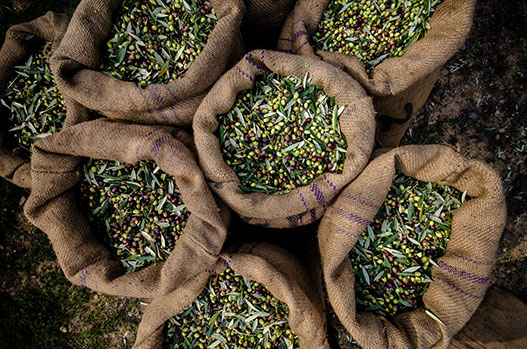
Ever wondered why some olive oils taste like liquid gold while others fall flat? You’re not alone! As fellow olive oil enthusiasts, we’re here to spill the beans (or should we say, olives?) on what makes your EVOO extra special. Buckle up as we dive into the fascinating world of olive oil quality – trust me, it’s more exciting than you might think!
Region Matters: The Terroir of Olive Oil
Just like wine, olive oil has its own terroir – fancy talk for how the environment impacts flavor. Different regions around the world produce unique olive oils with distinct personalities:
Italy: Think peppery kicks and grassy notes
Spain: Often fruity and nutty
Greece: Typically bold and robust
California: Can be buttery and mild
Climate and soil play huge roles here. Olives grown in hot, dry conditions often develop more intense flavors, while cooler climates can result in milder oils. So next time you’re drizzling that EVOO, take a moment to appreciate its homeland!
Production Method: The Art of the First Cold Press
Here’s where things get a bit technical (but stay with me, it’s worth it!). To earn the title “extra virgin,” olive oil must be extracted through first cold pressing. This means:
– Only the first press of the olives is used
– No heat is applied during the process (hence “cold”)
– No chemicals are involved – just good old-fashioned mechanical extraction
This gentle method preserves all those delicious flavors and healthy compounds we love in high-quality olive oil. Other production methods might give you more oil, but at the cost of quality and nutritional value. When in doubt, always go for the extra virgin olive oil!
Timing is Everything: Harvest and Bottling Dates
Olive oil isn’t like that forgotten bottle of hot sauce in your pantry – freshness matters! Top-notch producers will include harvest and bottling dates on their labels. Here’s what to look for:
Harvest date: Ideally within the last year
Bottling date: The closer to now, the better
Remember, olive oil doesn’t get better with age. It’s at its peak within 12-18 months of harvest, so don’t be shy about checking those dates!
Storage Savvy: Protecting Your Liquid Gold
You’ve invested in great olive oil – now let’s make sure it stays that way! Two major enemies of olive oil quality are light and heat:
Light exposure: UV rays break down the good stuff in olive oil, leading to rancidity. That’s why quality oils come in dark glass bottles or tins.
Heat: High temperatures speed up degradation. Store your oil away from the stove and other heat sources.
Pro tip: Keep your olive oil in a cool, dark cupboard. And please, whatever you do, don’t store it on that cute little rack above your stove!
Other Factors Affecting Quality
While we’ve covered the big hitters, there are a few more things that can impact your olive oil’s quality:
– Olive varieties: Different olives bring different flavors to the party
– Harvesting techniques: Gentle handling preserves quality
– Processing speed: The quicker olives go from tree to press, the better
– Packaging: Dark glass or tin containers protect the oil best
Being an Informed Consumer
Armed with all this olive oil knowledge, you’re ready to become a savvy shopper. Here are some final tips:
– Read those labels carefully
– Don’t be afraid to ask questions about production methods and dates
– When possible, taste before you buy (many specialty stores offer samples)
– Trust your senses – good olive oil should smell and taste fresh and fruity
Remember, a higher price doesn’t always guarantee quality. Some reasonably priced oils can be excellent, while some expensive ones might disappoint. It’s all about knowing what to look for!
Trusted Sources: The D’Olivo Difference
Now that you’re an olive oil aficionado, you might be wondering, “Where can I find oil that meets all these quality standards?” Great question! One surefire way to ensure you’re getting top-notch olive oil is to purchase from a reputable vendor who specializes in olive oils. That’s where we at D’Olivo come in!
At D’Olivo, we’re passionate about bringing you the crème de la crème of olive oils. Here’s how we ensure you’re getting nothing but the best:
Ultra Premium Standards: Our oils are sourced from Veronica Foods, a company known for its rigorous quality control. To earn the “Ultra Premium” designation, each oil must meet over 33 strict parameters. This goes above and beyond even the extra virgin olive oil standards!
Optimal Storage: We store our oils in metal fustis. These aren’t just fancy containers – they’re designed to protect the oil from its archenemies: light and air. This means the oil stays fresher for longer.
Fresh Bottling: When you purchase oil from us, we transfer it fresh from the fusti into dark glass bottles right in the store. This process minimizes exposure to air and light, preserving all those delicate flavors and health benefits.
Sealed with Care: Each bottle is sealed in-store, ensuring that from our shop to your kitchen, the oil remains in pristine condition.
By choosing a specialized vendor like D’Olivo, you’re not just buying olive oil – you’re investing in a premium product backed by expertise and a commitment to quality. We take the guesswork out of selecting high-quality olive oil, so you can focus on the fun part – enjoying it!
Remember, when it comes to olive oil, a little expert knowledge goes a long way. By choosing a trusted source, you’re guaranteed to experience olive oil as it’s meant to be: fresh, flavorful, and bursting with all the natural goodness that makes it a staple of healthy cuisines worldwide.
The World of Olive Oil Awaits!
We’ve journeyed through the olive groves, peeked into production facilities, and learned the secrets of preserving liquid gold. Now it’s your turn to explore! Armed with this knowledge, you’re ready to discover the amazing variety of flavors and qualities in the world of olive oil.
So go ahead, grab a crusty piece of bread, and start dipping. Your taste buds will thank you for choosing the good stuff!