• Instagram
  • Facebook
  • Twitter

Walla, Walla, WA | 509-529-7537

Grilling Season: Marinades, Bastes, and Finishing Drizzles

Family grilling burgers outdoors on a sunny day with food and drinks on a picnic table nearby

There’s a version of summer cooking that gets overshadowed by everything else happening outside — the longer days, the company, the cold drinks. But the food deserves attention too. And if you’re still reaching for the same bottled marinade you’ve been using for years, it might be time to try something different.

Olive oil and balsamic vinegar are two of the most useful tools you have at a grill. Not just for salads or dipping bread — for actual outdoor cooking. Marinades, bastes, finishing drizzles, glazes. They do real work here, and the results are the kind of thing people ask about.

Here’s how to use them well.

Why Olive Oil Belongs on the Grill

There’s a persistent myth that you shouldn’t cook with good olive oil because of the heat. It’s worth setting that aside. Extra virgin olive oil is actually one of the more stable cooking oils available, and it handles grill temperatures well. What it brings to grilling specifically is flavor — something neutral oils simply can’t offer.

Brushing protein or vegetables with olive oil before they hit the grate serves a practical purpose too. It prevents sticking, promotes even browning, and gives seasonings something to adhere to. A flavored olive oil — garlic, rosemary, lemon, Tuscan herb — does all of that while also building flavor into the food before it even touches the heat.

Building a Marinade

A good marinade has three components: fat, acid, and flavor. Olive oil is the fat. Balsamic vinegar is the acid. Everything else is flavor.

The ratio matters less than the balance. A simple starting point is three parts olive oil to one part balsamic, with whatever aromatics make sense for what you’re cooking — garlic, fresh herbs, a little dijon, black pepper, a pinch of salt. Combine everything, add your protein or vegetables, and give it time. Thirty minutes is enough for fish. A few hours works well for chicken. Overnight is ideal for tougher cuts of beef or pork.

A few combinations worth trying:

For chicken — lemon olive oil, traditional balsamic, garlic, and fresh thyme. The lemon brightens everything, and the balsamic adds just enough sweetness to encourage good caramelization on the grill.

For vegetables — a robust extra virgin, fig balsamic, a little honey, and fresh rosemary. This works especially well on eggplant, zucchini, and bell peppers. The fig balsamic turns jammy when it hits the heat.

For steak — garlic olive oil, aged dark balsamic, cracked black pepper, and a small amount of dijon. Let it sit overnight if you can. The acidity from the balsamic tenderizes the meat and the garlic oil carries the flavor all the way through.

Basting While You Cook

Basting is often skipped because it feels like extra work. It isn’t, really, and it makes a meaningful difference. Brushing meat or vegetables with a mixture of olive oil and balsamic every few minutes as they cook builds up layers of flavor and helps develop a glaze on the outside that you can’t get any other way.

Keep a small bowl nearby with your basting mixture and a pastry brush. A good ratio to work with is equal parts olive oil and balsamic, thinned slightly if needed with a little stock or water. Apply it with a light hand — you want a coating, not a drench.

For fish, baste only in the last few minutes of cooking. It’s more delicate than meat and can overpower quickly.

The Finishing Drizzle

This is the step that most people skip and shouldn’t. A finishing drizzle is applied after the food comes off the grill, not during cooking. The heat is gone, the flavors have settled, and a small amount of good oil or aged balsamic over the top adds a brightness and freshness that no amount of cooking can replicate.

A drizzle of good extra virgin over grilled chicken just before it goes to the table. A few drops of aged balsamic over sliced steak. A swirl of lemon olive oil over grilled vegetables. These are small gestures that make a real difference in how the finished dish tastes.

The key here is quality. A finishing drizzle is not a place for something mediocre. When the oil or vinegar is the last thing to hit the food, it’s also the first thing you taste.

A Few Things Worth Knowing

Don’t use your best aged balsamic in a marinade — heat diminishes the complexity you’re paying for. Save it for finishing. A younger, thinner balsamic is better suited to high-heat applications where it has room to cook down and concentrate.

Pat proteins dry before they go on the grill, even after marinating. Excess liquid on the surface steams instead of sears, which works against the browning you’re after. A paper towel and thirty seconds is all it takes.

Let meat rest after it comes off the heat. A few minutes makes a real difference in how the juices redistribute, and it also gives you time to apply that finishing drizzle before it hits the table.

Summer Cooking at Its Best

The best outdoor meals aren’t complicated. They’re built on good ingredients, a little technique, and the willingness to pay attention to the details. A really good olive oil and a balsamic worth finishing with go a long way toward making that happen.

The grill does most of the work. You just have to give it something worth cooking.

The Best Mother’s Day Gifts for the Cook in Your Life

Happy Mother's Day card with a mimosa and fresh flowers on a sunny outdoor brunch table

Mother’s Day gift guides tend to look the same. Candles, robes, brunch reservations. All fine things, but not especially personal — and not particularly useful after the day is over.

If the person you’re shopping for actually loves to cook, or wants to, there’s a better approach. The best gifts for a cook are the ones that change how they work in the kitchen. Things they use every day, reach for without thinking, and would genuinely miss if they were gone.

Here’s what’s worth considering this year.

A Knife That Actually Works

A good kitchen knife is one of those things most people don’t buy for themselves, even when they should. They make do with what they have — a knife that came in a set years ago, something that does the job but not much more — until someone gives them a reason to upgrade.

Wusthof knives have been made in Solingen, Germany since 1814. They’re precise, well-balanced, and built to last for decades with basic care. For someone who cooks regularly, a quality chef’s knife is the kind of gift that gets used every single day. It changes the whole experience of being in the kitchen — prep is faster, cuts are cleaner, and the work just feels better.
If you’re not sure where to start, an 8-inch chef’s knife is the right call for most people. It’s the one knife that handles nearly everything.

Le Creuset: The Kind of Thing People Keep Forever

There’s a reason Le Creuset pieces get passed down. The enameled cast iron distributes heat evenly, holds temperature beautifully, and works on every cooking surface — stovetop, oven, induction. A Dutch oven, a braiser, a skillet — these aren’t just pretty objects. They’re workhorses that make soups, stews, braises, and breads genuinely better.

The color is part of it too. Le Creuset’s lineup includes some really beautiful options right now, and there’s something to be said for cookware that looks as good on the table as it does on the stove. If you’re looking for something that will be used and appreciated for years, this is a strong choice.

Not sure which piece to choose? A 5.5 or 6.75-quart round Dutch oven is the most versatile starting point. It does almost everything.

USA Pans for the Baker

If she bakes, USA Pans are worth knowing about. Made in the United States from heavy-gauge aluminized steel with a nonstick coating, they heat evenly and release cleanly — the two things that matter most in a baking pan. No warping, no hot spots, no wrestling with stuck loaves.

Loaf pans, sheet pans, muffin tins, cake pans — the whole lineup is built to last. For someone who bakes regularly and has been fighting with flimsy pans, this is a practical gift that will get used every week.

Club D’Olivo: Something That Arrives All Year

A Club D’Olivo membership is a different kind of gift — one that keeps showing up. Members receive quarterly shipments of olive oils and balsamic vinegars, with the option to choose their own flavors or let us put together a selection. Each shipment also includes a special gift, hand-picked by Roni.

For someone who loves to cook, it’s an opportunity to try flavors they might not pick up on their own and keep their pantry stocked with something genuinely good. For someone who is just getting into olive oil and balsamic, it’s a gentle, enjoyable introduction that arrives four times a year.

It’s also the kind of gift that’s easy to give from a distance. We ship.

Specialty Foods Worth Gifting

Sometimes the right gift is smaller and more specific. A bottle of aged balsamic they wouldn’t splurge on themselves. A finishing salt or a specialty spice blend. A tin of loose-leaf tea. A jar of good honey.

These things don’t take up space in the kitchen, but they change what comes out of it. A good balsamic over strawberries or roasted vegetables turns something simple into something worth talking about. A quality finishing salt at the table does the same. Small things, real difference.

A gift basket built around a few of these — a bottle of olive oil, a balsamic, a salt, something sweet — makes a considered, personal present that’s easy to put together and genuinely useful.

The Thinking Behind All of This

The best gifts for someone who cooks are things that respect how seriously they take it. A great knife says you understand that the right tool matters. A Le Creuset piece says you know she’ll use it for years. A Club membership says you want her to keep discovering new things.

None of these are last-minute purchases, which is kind of the point. Taking a little time to think about what she actually needs — and what would genuinely make her time in the

Why Premium EVOO Is Worth the Price

Let’s be honest — most of us have stood in the grocery store, staring at a $30 bottle of olive oil next to a $7 one, and thought, “There’s no way the difference is that big.” I get it. But once you understand what actually goes into producing a genuinely great Extra Virgin Olive Oil, that price gap starts to make a lot more sense.

It Starts With Picking Olives at the Wrong Time (On Purpose)

Here’s something that surprised me when I first learned about olive oil production: it takes somewhere around 8 to 11 kilos of olives to get a single litre of quality oil. That’s a *lot* of olives. And premium producers make it even harder on themselves by harvesting early — late September, early October in Spain — when the olives are still green and underripe.

Why would anyone do that? Because that’s when the flavour is at its peak. You get that fresh, grassy, almost peppery bite that people who know olive oil go crazy for. The trade-off is brutal, though. Green olives give up way less oil than ripe ones, which drives the cost up considerably.

Compare that to the stuff lining most supermarket shelves. Those oils typically come from olives picked in December or January, when they’re overripe and have lost most of the flavour complexity and health compounds that made them worth pressing in the first place. You’re essentially paying less for a diminished product.

The Mill Matters More Than You’d Think

Getting the olives off the tree is only half the battle. The milling process is where things get technical — and expensive.

To legally earn the “Extra Virgin” label, the oil has to be cold-pressed below 27°C. Running the press hotter would squeeze out more oil and cut costs, but it wrecks the flavour and strips out the nutrients. So premium producers eat that loss.

Then there’s the cleanliness factor. Even a small amount of residue from a previous batch sitting in the machinery can contaminate the new oil. The people running serious mills are borderline obsessive about this, and they need to be. It’s year-round work that demands skilled operators who actually care about the end product.

Can You Actually Cook With It? (Yes. Stop Worrying.)

This one drives me nuts. Somewhere along the way, the idea took hold that you shouldn’t cook with EVOO because of its smoke point. It sounds reasonable on the surface, but the research doesn’t back it up.

Smoke point, it turns out, is a pretty lousy predictor of how an oil actually performs under heat. What matters more is the oil’s polyunsaturated fat content (lower is better) and its antioxidant levels (higher is better). Premium EVOO checks both boxes. It’s unrefined, loaded with natural antioxidants, and has been shown in controlled testing to be the most stable cooking oil you can use at home — pan-frying, deep-frying, baking, all of it.

One study heated various oils to 180°C for six hours straight. EVOO produced the fewest harmful polar compounds of any oil tested, beating out canola, grapeseed, and the rest. So no, you’re not “wasting” good olive oil by cooking with it. You’re actually making the smartest choice.

The Health Angle Is Real, Not Just Marketing

Premium EVOO is packed with polyphenols, Vitamin E, and squalene — compounds that fight oxidative stress and inflammation throughout your body. This isn’t fringe wellness stuff. The research on olive oil and health is deep and well-established.

Regular consumption supports cardiovascular health by pushing LDL cholesterol down and HDL up. There’s growing evidence it may help protect cognitive function as we age, with some studies pointing toward reduced Alzheimer’s risk. A tablespoon on an empty stomach can stimulate bile production and support digestion. And the monounsaturated fats help with blood sugar regulation and insulin sensitivity.

None of these benefits come free, though. They’re tied directly to the polyphenol and antioxidant content — exactly the compounds that get sacrificed when producers cut corners on harvest timing or milling temperature.

It Does More Than You’d Expect

This is where things get fun. Bartenders have started using premium EVOO in cocktails — fat-washing spirits with it or shaking it into drinks like a Mango Jalapeño Margarita to add body and a silky texture. It sounds strange until you try it.

On the beauty side, the monounsaturated fats can penetrate the hair shaft to smooth out frizz, and it works surprisingly well as a gentle makeup remover. The antioxidants you’re consuming also support skin hydration and collagen protection from the inside. Not bad for a pantry staple.

So Is It Worth It?

Look, nobody can produce a genuinely premium, early-harvest olive oil cheaply. The math just doesn’t work. Lower yields, higher labour costs, expensive equipment, skilled operators — it all adds up. If you’re looking to stretch your dollar, buying in larger formats (2L or 5L containers) from a reputable producer is the move.

But yes, it’s worth it. You’re paying for something that tastes better, cooks safer, and actively supports your health in ways that cheaper alternatives simply cannot. That $30 bottle starts looking like a bargain once you understand what’s inside it.

How to Tell If Your Olive Oil Is Actually Extra Virgin

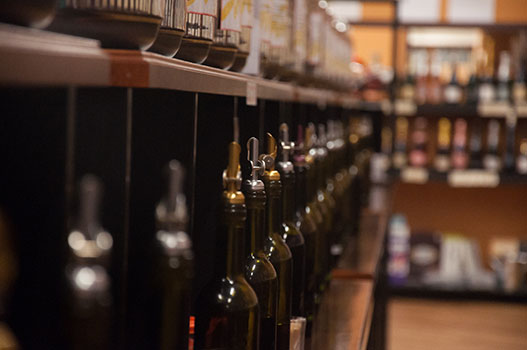
A row of dark glass olive oil bottles displayed at a specialty store, with open samples available for customers to smell and taste, demonstrating proper light-protective packaging and the retailer's transparency in allowing quality evaluation before purchase.

Walk down any grocery store aisle, and you’ll see dozens of bottles labeled “extra virgin olive oil.” It sounds premium, healthy, and authentic. But here’s the thing: not every bottle that claims the title lives up to it.

In fact, the olive oil industry has long struggled with mislabeling and inconsistency. What you think is extra virgin may actually be refined, old, or blended with lower-grade oils. So how can you, as a home cook or food lover, tell the difference?

Let’s unpack what “extra virgin” really means, and how to spot the real thing.

What Does “Extra Virgin” Actually Mean?

The term “extra virgin” refers to the highest standard of olive oil production. To qualify, an olive oil must be made from fresh olives, cold-pressed without the use of chemicals or heat, and meet strict requirements for taste, aroma, and acidity.
Chemically, a true extra virgin olive oil must have a free acidity level of less than 0.8%. It also must pass a sensory evaluation: no musty, rancid, or fusty smells. It should taste fresh, often a little peppery or grassy, with fruity or herbal notes. Unfortunately, the label isn’t always backed by the process.

The Problem with Mass-Market Olive Oils

In large commercial production, it’s not uncommon for olive oils to be blended, stored too long before bottling, or even cut with other oils like soybean or canola. Some are heat-processed or deodorized to mask poor quality, yet still carry the “extra virgin” label.

The result? A bland, lifeless product that offers none of the flavor or nutritional benefits you were expecting.
That’s why learning to spot the signs of real extra virgin olive oil is so important. When you know what to look for, your food and your health benefit from the difference.

Signs That Your Olive Oil Is The Real Deal

Sign #1: The Harvest Date Matters

A real extra virgin olive oil will often list the harvest date on the bottle. Not the best-by date, the actual harvest. That’s because freshness is critical. Olive oil is not like wine; it doesn’t get better with age.
You want oil that was harvested within the last 12 to 18 months. If there’s no harvest date at all, that’s a red flag. Freshness means flavor, antioxidants, and authenticity.

Sign #2: The Packaging Tells a Story

High-quality olive oil comes in dark glass bottles or opaque tins, not clear plastic. That’s because light and air are enemies of fresh oil. If the packaging looks like an afterthought, the oil inside likely is too.
D’Olivo, for instance, bottles in dark containers and stores products properly, protecting their flavor integrity from start to finish. The moment you open one, you can smell the difference.

Sign #3: Taste and Smell Are Your Best Clues

Good olive oil engages your senses. When you open the bottle, there should be a grassy, fruity, or herbaceous aroma, not flat or greasy. On the tongue, a little bitterness or peppery burn at the back of the throat is a good thing. It’s a sign of high polyphenol content and freshness.

If your oil smells like nothing, or tastes greasy and dull, it’s likely not real extra virgin, even if the label says it is.

Sign #4: Where It Comes From Matters

Look for bottles that state the origin clearly. Is the oil from a single estate or country? Or is it a vague “product of multiple countries” blend? Traceable origins usually signal better quality and transparency.

Producers that take pride in their oil will tell you where it came from, how it was harvested, and when it was bottled.

Sign #5: Price Reflects Quality

While not always a hard rule, extremely cheap olive oil is almost never extra virgin. Producing true EVOO takes care, labor, and speed, olives are pressed within hours of harvesting to avoid oxidation.

So if a bottle is shockingly inexpensive, ask yourself: where did corners get cut?

At D’Olivo, we source our oils directly from Veronica Foods who ensures all their olive oils meet the most rigorous of standards. In order for our oils to hit the shelves they must meet 33 quality parameters to earn the Ultra Premium designation.

Why It Matters

You might wonder why all of this matters. After all, isn’t olive oil just olive oil?

Not quite. True extra virgin olive oil isn’t just about taste, though it does taste far superior. It’s also about nutrition. Some studies show that high-quality extra virgin olive oil contains antioxidants and compounds linked to reduced inflammation and heart health.

But only if it’s the real thing. Once oil is oxidized, heat-treated, or cut with fillers, those benefits fade fast.

How to Upgrade Your Kitchen

The good news? Once you’ve had real EVOO, it’s hard to go back.

You start noticing how much more alive your food tastes. A salad becomes more vibrant. A slice of bread becomes a treat. Simple pasta dishes suddenly feel layered and restaurant-worthy, and it all starts with understanding what’s in your bottle.

So the next time you shop, don’t just read the label. Smell it. Taste it. Look for signs of care and clarity. Choose oils that tell you their story, not just their price.

At D’Olivo, that’s exactly what we promise in every bottle, real extra virgin olive oil.

Building Your Pantry: Essential Specialty Ingredients Every Cook Needs

A well-stocked pantry is the foundation of great cooking, but it’s the specialty ingredients that truly transform your kitchen from ordinary to extraordinary. While basic staples like flour, sugar, and salt are essential, investing in high-quality specialty ingredients can elevate every dish you create. Whether you’re a seasoned home chef or just beginning your culinary journey, these carefully selected pantry essentials will revolutionize how you cook and eat.

The Foundation: Premium Oils and Vinegars

At the heart of any exceptional pantry lies ultra-premium olive oil. Unlike mass-produced alternatives, artisanal olive oils offer complex flavor profiles that can make or break a dish. Look for cold-pressed, single-origin oils with harvest dates clearly marked. These oils aren’t just for finishing dishes—they’re ingredients in their own right. A robust, peppery oil from Tuscany will transform a simple pasta aglio e olio, while a delicate, buttery oil from California perfect for drizzling over fresh mozzarella.

Balsamic vinegar deserves equal attention in your pantry planning. Traditional aged balsamic vinegar, with its syrupy consistency and complex sweet-tart flavor, functions almost like a condiment. A few drops can brighten roasted vegetables, enhance fresh fruit, or add depth to marinades. Quality balsamic vinegar should be thick enough to coat a spoon and have layers of flavor that develop on your palate.

The Flavor Enhancers: Specialty Salts and Spices

Salt is perhaps the most important ingredient in cooking, yet many home cooks settle for basic table salt. Specialty salts can dramatically improve your cooking results. Flaky sea salt provides texture and a clean mineral taste perfect for finishing dishes. Smoked salt adds depth to vegetables and meats without requiring a grill. Pink Himalayan salt offers a subtle complexity that enhances both sweet and savory preparations.

Your spice collection should extend beyond the basics to include specialty blends and single-origin spices. Whole spices maintain their potency longer than pre-ground versions, and toasting them briefly before use releases essential oils that intensify flavors. Truffle salt deserves special mention as a luxury ingredient that delivers extraordinary impact—just a pinch transforms simple scrambled eggs, popcorn, or roasted potatoes into restaurant-quality dishes with its distinctive earthy, aromatic flavor.

The Umami Boosters: Fermented and Preserved Ingredients

Fermented and preserved ingredients add complexity and depth that’s difficult to achieve otherwise. Quality olives, like those from traditional Italian producers, offer more than just a salty bite—they provide richness and complexity that enhances everything from pasta dishes to cheese boards. Look for olives that are firm, well-seasoned, and stored in quality oil or brine.

Pickled vegetables serve a similar function, cutting through rich dishes and adding bright acidity. Whether it’s cornichons for charcuterie, pickled onions for tacos, or pickled beets for salads, these preserved vegetables add both flavor and textural interest to your meals. Ours from Delizia are an excellent option!

The Comfort Category: Quality Teas and Bubbles

While not traditional cooking ingredients, quality loose-leaf teas and champagne deserve consideration in your specialty pantry. Loose-leaf teas offer superior flavor and can be incorporated into cooking—Earl Grey in chocolate desserts, jasmine tea in ice cream, or chai spices in baked goods. The ritual of properly brewed tea also enhances the overall dining experience.

Champagne and sparkling wines aren’t just for special occasions. They’re excellent cooking wines that add brightness to risottos, depth to sauces, and elegance to desserts. A good bottle of champagne can transform a simple weeknight dinner into something memorable.

The Sweet Finale: Artisanal Ingredients for Baking

For those who love to bake, specialty ingredients can make the difference between good and exceptional results. Real vanilla extract, made from quality beans, provides depth that artificial versions simply cannot match. Specialty flours, like almond flour or ancient grain varieties, add nutritional value and unique flavors to baked goods.

Consider keeping high-quality chocolate on hand—both for baking and for simple desserts. A bar of excellent dark chocolate can be melted for fondue, chopped for cookies, or simply enjoyed with a glass of wine.

Building Your Collection Strategically

Building a specialty pantry shouldn’t happen overnight. Start with one or two high-quality items that you’ll use frequently, then gradually expand your collection. Focus on ingredients that serve multiple purposes—good olive oil works for cooking, finishing, and making vinaigrettes. Quality salt enhances both savory dishes and desserts.

Pay attention to storage requirements. Oils should be kept in cool, dark places and used within their optimal timeframes. Spices lose potency over time, so buy smaller quantities more frequently rather than large containers that will sit unused.

The Investment Worth Making

While specialty ingredients require a higher initial investment, they offer exceptional value over time. A small amount of premium olive oil or aged balsamic can transform an entire dish. These ingredients encourage you to cook more and eat better, making them investments in both your culinary skills and your health.

Remember that cooking is about more than just sustenance—it’s about creating experiences, memories, and moments of joy. By carefully curating your pantry with these essential specialty ingredients, you’re setting the stage for countless delicious meals and the satisfaction that comes from cooking with the finest ingredients available.

Start building your specialty pantry today, and discover how these carefully chosen ingredients can transform your everyday cooking into something truly extraordinary.

Hosting the Perfect Dinner Party: Tips and Recipes Using Our Products

Creating memorable dinner parties is an art that combines thoughtful planning, quality ingredients, and the right tools. Whether you’re an experienced host or just starting to explore the joy of entertaining, we’ll guide you through creating an unforgettable evening that will have your guests raving.

Setting the Stage

The foundation of any great dinner party begins with the right equipment. A well-stocked kitchen makes cooking a joy rather than a chore. Start by ensuring your cookware is up to the task – our Le Creuset Dutch ovens and braisers are perfect for creating show-stopping main courses that can go straight from oven to table, adding both functionality and a pop of color to your presentation.

For prep work, nothing beats the precision and control of Wüsthof knives. Their superior German craftsmanship makes quick work of chopping herbs, dicing vegetables, or carving the perfect roast. Remember, sharp knives aren’t just about convenience – they’re about safety and precision in the kitchen.

Interactive Dining Experiences

One of the most engaging ways to entertain is to make the cooking process part of the party itself. Our raclette grills bring the beloved Swiss tradition of communal dining to your home. These versatile grills create an interactive dining experience where guests can melt raclette cheese and grill their own combinations of meats, vegetables, and seafood right at the table.

Raclette Party Tips

– Pre-slice cheeses, meats, and vegetables before guests arrive
– Offer a variety of accompaniments like cornichons, pickled onions, and crusty bread
– Prepare boiled baby potatoes – they’re traditional and perfect for melted raclette cheese
– Set up your raclette grill in the center of the table to encourage conversation and sharing
– Consider offering both traditional raclette cheese and other melting cheeses for variety

The Menu: A Symphony of Flavors

Appetizers

Start your evening with simple yet sophisticated appetizers. Drizzle crusty bread with our premium extra virgin olive oil – we recommend our robust Nocellara variety from Sicily, known for its green, fruity notes with a perfect pepper finish. Pair it with a selection of our artisanal cheeses and a few drops of aged balsamic vinegar for a classic opening that never fails to impress.

Main Course Options

For a memorable main course, consider either of these interactive dining experiences:

Raclette Feast
Set up your raclette grill with an array of options:
– Traditional raclette cheese
– Charcuterie selection
– Boiled baby potatoes
– Grilled vegetables seasoned with our house-blend herbs
– Fresh baguette slices

Gourmet Pizza Party
Use our Ooni pizza oven for creating authentic Neapolitan-style pizzas in just 60 seconds. Set up a topping station with premium ingredients like:
– Fresh buffalo mozzarella
– Our house-blend pizza seasoning
– A drizzle of our UP extra virgin olive oil
– A sprinkle of one of our specialty sea salts

Beverage Pairings

No dinner party is complete without the perfect beverages. Our selection of champagnes and sparkling wines offers something for every palate and price point.

Essential Tips for Success

1. Prep in Advance: Use our USA Pans for make-ahead sides and desserts. Their professional-grade construction ensures even baking and easy cleanup.

2. Temperature Matters: Remove cheeses from refrigeration an hour before serving to allow flavors to develop fully. Serve olive oil at room temperature to appreciate its complex flavor profile.

3. Create Stations: Set up different areas for drinks, appetizers, and main courses to encourage movement and conversation among your guests.

4. The Perfect Bite: Remember our culinary salt collection for finishing dishes. A pinch of smoked sea salt or rose-pink Himalayan can elevate a simple dish to extraordinary.

A Simple Recipe to Get You Started

Rosemary and Sea Salt Focaccia

Ingredients:
– 4 cups high-quality bread flour
– 2 tablespoons our premium extra virgin olive oil, plus more for drizzling
– 1 tablespoon fresh rosemary
– Our Mediterranean sea salt for sprinkling
– 1½ cups warm water
– 2¼ teaspoons active dry yeast
– 1 tablespoon honey

Instructions:
1. Mix water, yeast, and honey in a bowl. Let stand until foamy.
2. Combine flour and 2 tablespoons olive oil with the yeast mixture.
3. Knead until smooth, then let rise for 1 hour.
4. Press into an oiled USA Pan, creating dimples with your fingers.
5. Drizzle generously with olive oil, sprinkle with rosemary and sea salt.
6. Bake at 425°F for 20-25 minutes until golden.

Remember, the key to a successful dinner party isn’t just about the food – it’s about creating an environment where conversations flow as smoothly as the wine. Interactive dining experiences like raclette or pizza-making naturally encourage conversation and create memorable evenings. With quality ingredients and the right tools, you can focus less on the mechanics of cooking and more on enjoying time with your guests.

Visit our store to explore our complete collection of premium kitchenware, ingredients, and wines. Our knowledgeable staff is always happy to help you select the perfect items for your next gathering, whether you’re planning a traditional dinner party or an interactive raclette experience.

*Whether you’re planning an intimate dinner for four or a festive gathering for twelve, we have everything you need to make your next dinner party absolutely unforgettable.*

6 Creative Ways to Elevate Your Cooking with Extra Virgin Olive Oil

Extra virgin olive oil (EVOO) is often relegated to salad dressings or a final drizzle on finished dishes. But this liquid gold deserves a more prominent place in your daily cooking repertoire. Here are six innovative ways to make the most of your premium olive oil and transform everyday dishes into something special.

1. The Ice Cream Revolution

Yes, you read that right – olive oil and ice cream are a match made in culinary heaven. This combination, popular in artisanal ice cream shops, can easily be recreated at home. A drizzle of high-quality EVOO over vanilla ice cream creates a sophisticated dessert with complex flavors. The oil’s peppery notes contrast beautifully with the sweet, creamy ice cream.. Try adding a sprinkle of sea salt or a few dark chocolate shavings to take it to the next level.

2. Olive Oil Poaching

Forget about aggressive high-heat cooking methods – gentle olive oil poaching can create incredibly tender, flavorful results. This technique involves slowly cooking ingredients in warm (not hot) olive oil, usually between 140-180°F. Fish fillets particularly shine when poached in EVOO, emerging silky and succulent. Vegetables like cherry tomatoes, garlic cloves, and bell peppers can also be transformed through this method.

3. Morning Coffee Enhancement

Want to explore a really out of the box option. Your morning cup of coffee can benefit from a few drops of EVOO. This new trend seems to be on the rise so jump on the train and give it a whirl. Adding a small amount (about 1/4 teaspoon) to your coffee creates a creamy, rich texture and is even thought to help slow the release of caffeine, providing more sustained energy throughout the day.

4. Olive Oil Granola

Homemade granola reaches new heights when made with extra virgin olive oil instead of neutral oils. The oil’s fruity, peppery notes add complexity to the sweet and savory mixture. If you want to give the granola and extra fancy spin, we recommend using one of our fused or infused olive oils. Combine rolled oats, nuts, seeds, and your choice of sweetener with a generous pour of EVOO, then bake until golden. The oil helps create perfectly crispy clusters while adding a sophisticated flavor that elevates this breakfast staple from simple to sublime.

5. Butter Alternative

Create a dairy-free alternative to butter by mixing EVOO with herbs, spices, and aromatics. Store this flavored oil in an airtight container in the refrigerator, where it will solidify to a spreadable consistency. Try combinations like rosemary-garlic, chili-lemon, or basil-orange zest. Use it to finish grilled meats, spread on bread, or melt over roasted vegetables. This preparation offers a heart-healthy alternative to butter while delivering intense, customizable flavors.

6. Olive Oil Cake Base

Olive oil cakes have been a Mediterranean staple for generations, and for good reason. The oil creates an incredibly moist crumb that stays fresh longer than butter-based cakes. But why stop at traditional recipes? Use EVOO as your fat of choice in quick breads, muffins, and even brownies. The oil adds moisture and a subtle complexity that works particularly well with citrus, chocolate, and nuts. We’ve got an entire article dedicated to swapping out olive oil for other fats so check in out here –

Tips for Success

While we encourage experimenting with our Ultra Premium olive oils, you should also be sure to keep these tips and tricks in mind.

Quality Matters: Not all extra virgin olive oils are created equal and the higher the quality of oil, the better the flavor and culinary experience you’ll have!

Temperature Awareness: It’s a complete myth that you can’t cook at high temperatures with high quality extra virgin olive oil, however you should still be mindful of heat levels. To preserve the oil’s beneficial compounds be sure to avoid the smoke point.

Be Smart with Storage: Exposure to light over time can degrade your olive oil. Don’t ruin a great dish with rancid oil and be sure you’re storing it in dark glass and away from excessive heat. Also, make sure you know the bottling date and use up the oil within 6 months of opening.

By thinking beyond traditional uses, you can make your premium olive oil work harder in your kitchen while adding unexpected sophistication to both sweet and savory dishes. These creative ways to cook not only expand your culinary repertoire but also help justify investing in high-quality extra virgin olive oil – you’ll use every drop in creative and delicious ways.

Sizzling Summer Recipes: Olive Oil and Balsamic Vinegar Edition

As the mercury rises and the days grow longer, it’s time to embrace the vibrant flavors of summer. What better way to elevate your warm-weather cuisine than with two pantry staples: olive oil and balsamic vinegar? These versatile ingredients can transform simple dishes into gourmet delights. Let’s dive into some mouthwatering recipes that will make you the star of every backyard barbecue and picnic this season!

Classic Caprese Salad

Nothing says summer quite like a fresh Caprese salad. This simple yet elegant dish perfectly showcases the marriage of olive oil and balsamic vinegar.

Ingredients:

Ripe tomatoes
Fresh mozzarella
Basil leaves
High-quality extra virgin olive oil
Aged balsamic vinegar
Salt and pepper to taste

Slice the tomatoes and mozzarella, arrange them on a plate with basil leaves, then drizzle with olive oil and a splash of balsamic vinegar. Season with salt and pepper. The result? A burst of summer in every bite!

Try this recipe – https://dolivotastingbar.com/recipes/caprese-salad-w-cilantro-pesto-and-lavender-balsamic/

Grilled Vegetable Platter

Fire up the grill and let olive oil work its magic on a medley of summer vegetables.

Ingredients:

Assorted vegetables (zucchini, bell peppers, eggplant, asparagus)
Extra virgin olive oil
Salt and pepper
Balsamic glaze for drizzling

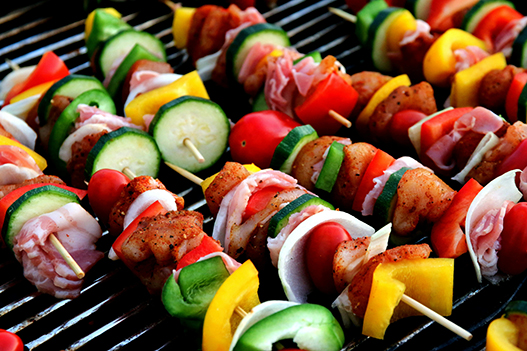
Brush your veggies with olive oil, season with salt and pepper, and grill until tender. Arrange on a platter and finish with a drizzle of balsamic glaze for a sweet and tangy punch.

Balsamic Glazed Grilled Peaches

Who says the grill is just for savory dishes? These grilled peaches make for a show-stopping dessert.

Ingredients:
Ripe peaches
Balsamic vinegar
Brown sugar
Vanilla ice cream
Fresh mint

Halve and pit the peaches, brush with a mixture of balsamic vinegar and brown sugar, then grill cut-side down. Serve with a scoop of vanilla ice cream and a sprig of mint for a dessert that screams summer.

Mediterranean Pasta Salad

This refreshing pasta salad is perfect for potlucks and picnics.

Ingredients:

Cooked pasta (your choice of shape)
Cherry tomatoes
Cucumber
Kalamata olives
Feta cheese
Red onion
Extra virgin olive oil
Balsamic vinegar
Dried oregano
Salt and pepper

Toss all ingredients together, using the olive oil and balsamic vinegar as your dressing. Let it chill for an hour to let the flavors meld. It’s even better the next day!

Bruschetta

Simple yet sophisticated, bruschetta is a crowd-pleaser that lets good olive oil shine.

Ingredients:
Baguette slices
Ripe tomatoes
Garlic
Fresh basil
Extra virgin olive oil
Balsamic vinegar (optional)
Salt

Toast the baguette slices, rub with garlic, and top with a mixture of diced tomatoes, basil, olive oil, and a touch of balsamic vinegar if desired. The perfect start to any summer gathering!

Olive Oil Ice Cream

Yes, you read that right! Olive oil ice cream is a delightful surprise for your taste buds.

Ingredients:

Vanilla ice cream base
High-quality extra virgin olive oil
Sea salt flakes

Churn your favorite vanilla ice cream base, slowly drizzling in olive oil towards the end. Serve with a sprinkle of sea salt flakes for a sophisticated dessert that will have everyone talking.

Classic Balsamic Vinaigrette

Master this vinaigrette, and you’ll never buy bottled dressing again.

Ingredients:

Extra virgin olive oil
Aged balsamic vinegar
Dijon mustard
Honey
Salt and pepper

Whisk together one part balsamic vinegar with three parts olive oil, add a dollop of Dijon mustard, a drizzle of honey, and season with salt and pepper. Toss with your favorite greens for a salad that sings with summer flavors.

Summer is the perfect time to let the bright, fresh flavors of olive oil and balsamic vinegar take center stage in your cooking. From appetizers to desserts, these versatile ingredients can elevate any dish. So go ahead, experiment with these recipes, and don’t be afraid to get creative! After all, the best summer memories are often made around the table, sharing good food with great company.

Remember, the key to these recipes is using high-quality ingredients. A good extra virgin olive oil and an aged balsamic vinegar can make all the difference. So visit your local specialty store (like us!) to stock up on the best oils and vinegars, and get ready to taste the difference in your summer cooking. Here’s to a season filled with delicious meals and sunny days!

Summer Kitchen Tips for Sensational Seasonal Cooking

As the temperatures start to rise, it’s the perfect time to liven up your kitchen game and impress with some sensational summer cooking. Whether you’re firing up the grill, whipping up refreshing cold dishes, or putting those seasonal produce gems to use, these kitchen tips and tricks will have you making a serious splash this summer.

Grilled Mains and Sides

The grill is the summertime kitchen rockstar, so make sure you’re maximizing its full potential. One pro move is to use wood planks or cedar wraps to infuse your proteins like salmon, chicken or even Brie cheese with incredible smoky flavors. Just soak the planks in water for an hour before using.

For out-of-this-world smoky vegetables, grab a bundle of hardy herbs like rosemary or thyme and toss it onto the hot grill grates to smolder. Then quickly grill veggies like peppers, zucchini or eggplant over the herb flames. Finishing them with a drizzle of any one of our ultra premium extra virgin olive oils completes the magic.

Cooler Apps and Dip Delights

When it’s scorching outside, cool refreshing appetizers and dips are absolute lifesavers. For ultra creamy hummus or white bean dips, make them extra creamy by using UP olive oils to blend everything into a satiny smooth consistency. Be sure to change up the flavors of your hummus and dips by picking a new D’Olivo flavored olive oil each time.

Herbes De Provence Hummus

Creamy White Bean Dip Recipe

Another crowd dazzler is a colorful summer crudité platter with high impact dipping sauces. Get saucy by blending fruity ingredients like mangos, pineapple or berries with Greek yogurt, lime and a hint of honey for vibrant, healthy dippers bursting with flavor.

Fruit Desserts for the Win

With a kaleidoscope of sweet fruits in season, you’ve got a million delicious dessert possibilities. For next level cobblers or crisps, toss your fruit with a splash of fresh orange or lemon juice to make the flavors exponentially brighter and more dynamic.

When making chilled fruit soups or gazpachos, use an immersion blender to partially blend some of the fruit, leaving plenty of delectable chunks and texture throughout. Nothing’s sadder than a boring, homogenized puree.
Another pro move for fruit tarts and pies is heating a sugary jam glaze in the microwave until bubbling, then brushing it over the top for a bakery-level glistening finish primed for oohs and ahhs.

Apple Crisp Recipe

Bubbles Up

It would be unthinkable to talk summer cooking without mentioning the most refreshing summertime sipper: chilled bubbles! Next time you’re whipping up a batch of homemade lemonade or punchy sangria, toss in a splash of one of our delicious champagnes, sparkling wines, or cavas for some extra fun.

Spice Up Your Veggies

No list of summer cooking hacks would be complete without mentioning UP extra virgin olive oil – the healthy, flavorful workhorse you need in your corner. Use it to marinade, drizzle or simply add a masterful finish to all your sizzling proteins, vegetables and even fruits. Again, flavor variety is your friend here so try pairing our oils with our fun selection of balsamic vinegars.

Extra virgin olive oils are full of potential so be sure to tap into it by making herb and olive oil-based dips, dressings, pico de salsa and marinades. Or make it the star in baked goods like olive oil cakes, cookies and savory loaf breads. Truly, extra virgin olive oil is the signature ingredient that will put your summer cooking in the big leagues.

With these pro-level tips, you’re ready to seriously raise the bar on all your summer cooking adventures. Get sizzling, get blending, and never let the summer fun leave your kitchen!

Ideas for Substituting Olive Oil for Other Fats

When it comes to cooking and baking, fats play a pivotal role in creating texture, flavor, and mouthfeel in your dishes. While fats like butter, lard, and vegetable oil have been traditional choices, many are turning to olive oil as a healthier and more flavorful alternative. In this blog post, we’ll explore the various fats you can substitute with olive oil, and how this versatile ingredient can enhance your culinary endeavors.

1. Butter: A Creamy Alternative

Butter is a beloved fat in cooking and baking, known for its rich, creamy flavor. However, if you’re looking to reduce saturated fat intake or create a dairy-free option, extra-virgin olive oil is an excellent substitute. To replace butter with olive oil, use a 3/4 cup of olive oil for every cup of butter in your recipe. Olive oil works particularly well in recipes like sautéed vegetables, roasted potatoes, and even baked goods.

2. Vegetable Oil: A Healthier Choice

Many recipes call for vegetable oil, but it’s often a blend of various oils, and the quality can vary. Extra-virgin olive oil, on the other hand, is a single-source, high-quality fat that brings a world of flavor to your dishes from fruity to more peppery, you’ll get a variety depending on the specific oil you choose. To substitute for vegetable oil, use an equal amount of olive oil. Whether you are frying, grilling, or making salad dressings, olive oil’s versatility shines through.

3. Lard: A Lighter Option

Lard is a popular choice in traditional cooking, especially for making flaky pie crusts and crispy fried foods. While olive oil may not replicate the exact flavor of lard, it offers a heart-healthy alternative. To substitute lard with olive oil, use a 1:1 ratio. The result will be a lighter, less greasy texture, perfect for creating delicious, healthier versions of your favorite recipes.

4. Margarine: A Trans-Fat-Free Choice

Margarine has been a common butter substitute due to its low saturated fat content. However, it often contains trans fats, which are less healthy. If you’re looking for a trans-fat-free alternative, extra-virgin olive oil is a great choice. You can use an equal amount of olive oil to replace margarine in recipes, whether you’re spreading it on toast or using it in baking.

5. Coconut Oil: A Plant-Based Option

Coconut oil is lauded for its unique flavor and versatility, particularly in vegan and gluten-free cooking. Extra-virgin olive oil offers an equally plant-based alternative with a distinct flavor profile. To replace coconut oil with olive oil, use a 1:1 ratio, but keep in mind that olive oil has a different flavor, so the resulting dish will have a different but equally fun twist.

6. Canola Oil: A Neutral Oil Alternative

Canola oil is known for its neutral taste, making it suitable for various recipes. If you’re seeking a healthier and more flavorful alternative, olive oil is a fantastic choice. You can substitute canola oil with an equal amount of olive oil in most recipes, enhancing the dish with a hint of fruitiness and complexity.

7. Shortening: A Healthier Alternative

Shortening is commonly used in baking and frying for its solid texture at room temperature. If you’re looking to reduce saturated fat, substitute shortening with olive oil using a 3/4 cup of olive oil for every cup of shortening in your recipe. Olive oil provides a heart-healthy option without sacrificing texture in your baked goods.

8. Ghee: A Clarified Butter Alternative

Ghee, or clarified butter, is popular in Indian and Middle Eastern cuisine. Olive oil can be a suitable alternative when you’re looking for a dairy-free option or a healthier alternative. To substitute ghee with olive oil, use a 1:1 ratio. Olive oil adds a slightly different flavor profile, but it complements these cuisines beautifully.

Elevating Your Cooking with Olive Oil

Olive oil isn’t just a heart-healthy and versatile option; it’s a culinary superstar that can transform your dishes with its unique flavor and health benefits. Whether you’re sautéing, baking, or frying, the right substitution can elevate your cooking to new heights. Experiment with different types of extra-virgin olive oil, and don’t forget the infused varieties. Both will add depth and complexity to your recipes.

By understanding how to substitute olive oil for other fats, you can make your cooking healthier, more flavorful, and more diverse. Whether you’re aiming to reduce saturated fat intake, create dairy-free options, or you’re simply trying to experiment with new flavors, olive oil offers an excellent alternative. Enjoy your culinary adventures with the versatility and heart-healthy benefits of olive oil.